PACKAGINGAAZZ USA · TEXTURED PACKAGING FINISHES
Textured Packaging Finishes
in the USA
PackagingAazz creates textured packaging finishes that turn ordinary boxes into tactile brand experiences, from velvety soft-touch and woven linen papers to sand-effect coatings, embossing and raised patterns.
- ★★★★★ Trusted by brands & businesses across the USA
Coatings, papers and embossing
See the finish before you print
Simple, transparent quoting
SERVICE DETAILS
Textured Packaging Finishes – PackagingAazz
Texture is one of the most effective ways to make packaging feel considered. Shoppers often pick up a box before they read it, and the first touch shapes how they judge quality. Textured finishes can come from the material itself, such as linen, felt or kraft papers, from a coating applied over the print, such as soft-touch or sand-effect varnish, or from mechanical processes like embossing and debossing.
PackagingAazz helps you choose the right texture for your product, budget and box style. We combine textured finishes with folding cartons, rigid boxes, mailers and sleeves, prepare your artwork, send a free 3D mockup and produce in roughly 8-12 business days, shipping from Los Angeles to all 50 states.
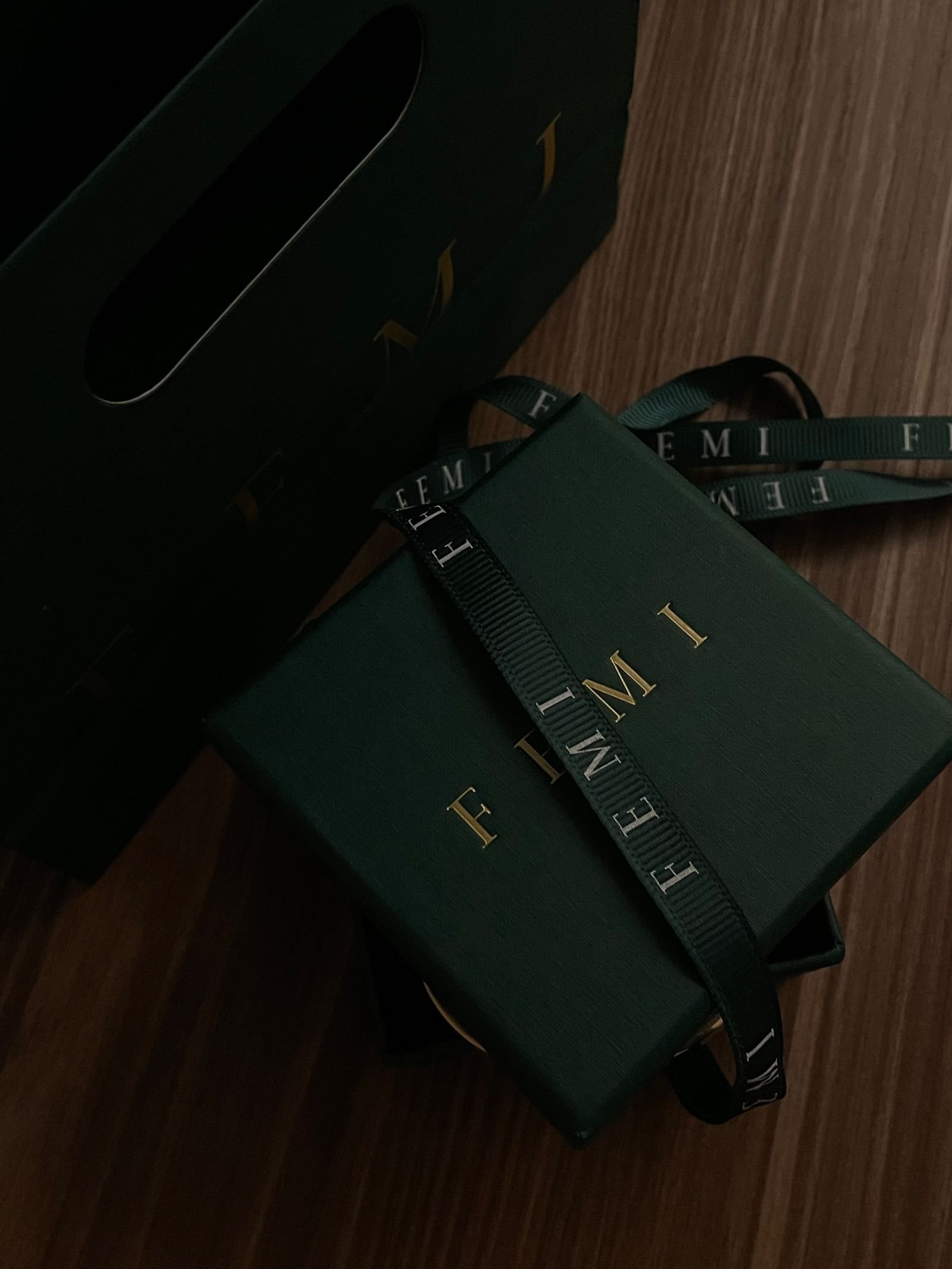
READ MORE — COMPLETE GUIDE TO TEXTURED PACKAGING FINISHES
The Complete Guide to Textured Packaging Finishes
Packaging is a physical product, and the way it feels in the hand is part of the brand experience. Textured finishes give designers a way to communicate quality, personality and even product benefits without adding more words or colours. This guide covers the main types of texture, how each is produced, which products they suit and how to choose between them.
Three Ways to Add Texture
1. Textured Materials
The board or wrap paper itself carries the texture. Examples include linen-embossed papers, felt-marked papers, laid papers with fine parallel lines, kraft with natural fibres, and specialty papers with leather-like or pebbled grains. These are most common on rigid boxes, where a decorative paper is wrapped around greyboard, but some textured boards are also available for folding cartons.
2. Textured Coatings and Laminations
Coatings are applied after printing. Soft-touch lamination creates a velvet or peach-skin feel. Sand or grit varnishes create a fine, sandpaper-like surface. Rubberised coatings give a slightly grippy finish. Raised UV builds glossy relief in selected areas.
3. Mechanical Texture
Embossing pushes the board up from behind using a male and female die, creating raised shapes. Debossing presses designs into the surface. Pattern embossing can cover an entire sheet with a repeating texture, such as a fine grid or leather grain.
Comparing Popular Textured Finishes
| Finish | Feel | Look | Best on |
|---|---|---|---|
| Soft-touch lamination | Velvety, smooth | Deep matte | Cosmetics, tech, luxury retail |
| Linen paper | Fine woven grid | Fabric-like | Rigid boxes, gift and stationery |
| Felt paper | Soft, irregular | Artisan, natural | Wine, spirits, premium food |
| Sand varnish | Gritty | Matte with sparkle-free grain | Outdoor, sports, men’s grooming |
| Embossing | Raised shapes | Sculpted | Logos and patterns on any premium box |
| Debossing | Pressed-in | Understated | Minimal brands, rigid lids |
| Raised UV | Glossy relief | High contrast shine | Logos and patterns over matte |
| Kraft natural | Fibrous, dry | Earthy | Eco brands, food, handmade goods |
Choosing a Texture That Matches Your Brand
Every texture carries associations. Soft-touch signals modern luxury and calm. Linen suggests craftsmanship, books and heritage. Felt and laid papers feel artisanal. Sand textures feel rugged and outdoorsy. Kraft feels honest and natural. Before choosing, write down three words that describe your brand personality and pick the texture that expresses the same idea through touch.
Textured Finishes by Industry
Beauty and Skincare
Soft-touch cartons with raised UV logos are a familiar language in premium beauty. Pastel soft-touch can feel gentle and clean, while black soft-touch reads as sophisticated.
Fashion and Accessories
Linen and leather-grain papers on rigid boxes create a boutique feel for watches, belts, scarves and jewelry.
Food and Beverage
Felt-marked labels and textured cartons are popular for spirits, chocolates, tea and coffee. For primary food contact, use suitable barrier materials and confirm requirements with your supplier and advisor.
Candles and Home Fragrance
Candle brands use textures to hint at scent and mood: linen for clean cotton scents, kraft for woodsy notes, soft-touch for evening or luxury lines.
Electronics
Soft-touch black boxes with debossed or raised details are a staple for headphones, chargers and accessories, signalling precision and care.
Design Tips for Textured Packaging
- Let texture breathe: large areas of quiet colour make texture more noticeable.
- Reduce fine detail on rough stocks: very small type can break up on felt or kraft.
- Proof colours: textured papers can shift colour, especially brand blues and reds.
- Contrast textures: pairing a smooth raised element against a rough or velvety base heightens both.
- Keep folds clean: heavy textures and thick coatings may crack on tight creases.
- Think about fingerprints: some dark soft-touch finishes can show oils; consider anti-scuff versions.
Cost Considerations
Textured finishes vary widely in cost. Coatings like soft-touch add a finishing step. Specialty papers add material cost and may have longer sourcing times. Embossing and debossing typically require dies on many production lines, but PackagingAazz does not charge die or plate fees, which keeps quoting simple. Quantity, box size and combining several finishes also affect price. Share your target budget and we will suggest options that give the most texture for the money.
Deep Dive: Soft-Touch Lamination
Soft-touch is a specialty film or coating applied over printed board. It reduces glare, deepens colours slightly and gives a smooth, velvety feel that many people compare to suede or a peach skin. Because it is so smooth, it creates an excellent base for raised UV and foil, which stand out sharply against it.
- Strengths: premium feel, glare-free look, works on cartons, rigid wraps and mailers.
- Watch-outs: dark colours may show fingerprints and scuffs; ask about anti-scuff versions for shipping-heavy uses.
- Good pairings: foil logos, raised UV patterns, debossed marks.
Deep Dive: Linen and Woven Papers
Linen papers have a crosshatched pattern that imitates woven cloth. They are typically used as wrap papers on rigid boxes and as label stocks. Linen hides minor handling marks well and gives a classic, tailored character. Printing on linen softens fine detail, so bold logos, foil and debossing usually work better than intricate photography.
Deep Dive: Felt-Marked and Laid Papers
Felt-marked papers have an irregular, slightly fuzzy surface created during papermaking. Laid papers show fine parallel lines that recall traditional stationery. Both feel artisanal and pair well with letterpress-style debossing and single-colour printing. They are popular for wine labels, specialty food and heritage brands.
Deep Dive: Sand and Grit Coatings
Sand-effect varnishes contain fine particles that create a gritty, tactile finish. They can be applied overall or as a spot effect, for example to make a mountain illustration feel like rock or to create grip on a box edge. Because the surface is rougher, test for scuffing against other boxes during shipping.
Deep Dive: Embossing, Debossing and Pattern Embossing
Embossing reshapes the board itself. Single-level embossing raises a shape to one height; multi-level or sculpted embossing creates gradients and more lifelike relief. Debossing presses the design down, which can be blind (no ink or foil) or registered with print or foil. Pattern embossing applies an all-over texture, such as a fine grid, carbon-fibre look or leather grain, giving plain boards a tactile surface without specialty paper.
| Process | Material effect | Best design types |
|---|---|---|
| Blind emboss | Raised, no colour | Logos, monograms, subtle patterns |
| Registered emboss | Raised and aligned with print | Illustrations, product names |
| Foil emboss | Raised metallic | Luxury logos, seals |
| Blind deboss | Pressed-in, no colour | Minimal branding on rigid lids |
| Pattern emboss | All-over texture | Backgrounds, full wraps |
Layering Textures Thoughtfully
Combining textures can create a rich, layered experience, but too many effects compete with each other. A useful rule is one base texture plus one or two accent effects. For example:
- Soft-touch base with a raised UV logo and a small foil detail.
- Linen wrap paper with a blind debossed monogram.
- Kraft board with a single-colour print and a blind embossed seal.
- Felt-marked label with copper foil and fine debossed text.
- Pattern-embossed board with a smooth printed product panel.
Texture and the Unboxing Experience
Unboxing is a sequence of touches: lifting the shipper, opening the mailer, sliding out a sleeve, lifting a lid. Each layer is a chance to use texture. A smooth soft-touch outer box can open to a linen-wrapped insert, or a kraft mailer can reveal a printed inside lid with a raised message. Planning textures across layers creates a memorable story without adding cost to every surface.
Our Process for Textured Finishes
- Discovery: we learn about your product, brand and how the packaging will be sold and shipped.
- Recommendations: we suggest textures and box styles that match your goals and budget.
- Artwork and dieline: we provide dielines and help separate finish layers.
- Free 3D mockup: see how textures and effects are placed on each panel.
- Production: printing, finishing, die-cutting and assembly, typically 8-12 business days after approval.
- Inspection and delivery: boxes are checked and shipped to your location anywhere in the USA.
Mistakes to Avoid With Textured Finishes
- Choosing a texture without seeing or feeling a sample when the finish is central to the design.
- Placing detailed photography on heavily textured paper.
- Expecting exact colour matches on uncoated or felt stocks without proofing.
- Using rough textures on boxes that rub together in shipping without protection.
- Stacking too many effects on a small panel.
- Ignoring how the finish affects recyclability messaging.
Sustainability and Textured Packaging
Texture does not have to come at the expense of sustainability. Some of the most tactile options are paper-based. Embossing and debossing reshape the board without adding new materials. Kraft, felt and laid papers carry texture in the fibre itself. Where coatings are used, applying them to focal areas instead of full coverage reduces material use.
- Prefer paper-based textures where they meet your design goals.
- Ask about FSC-certified boards and papers where available.
- Use a textured sleeve over a simple box rather than finishing every surface.
- Design boxes that customers want to keep and reuse, extending their life.
- Be careful with claims such as recyclable or compostable; requirements vary by state, so check with your advisor.
Texture Selection Worksheet
| Question | If yes, consider |
|---|---|
| Do you want a modern luxury feel? | Soft-touch with raised UV or foil |
| Is heritage or craft part of your story? | Linen, laid or felt papers with debossing |
| Is your brand eco-focused? | Kraft with blind embossing |
| Will boxes ship without outer protection? | Durable coatings or paper textures with scuff testing |
| Do you change designs often? | Raised UV or digital effects without tooling |
| Is colour accuracy critical? | Coated boards with soft-touch rather than uncoated textured papers |
Textured Finishes on Different Box Styles
Rigid Boxes
Rigid boxes offer the widest choice of textures because the wrap paper can be almost any specialty stock. Lids are ideal for debossing and raised details.
Folding Cartons
Cartons commonly use soft-touch, pattern embossing, raised UV or textured coated boards. Fold lines need attention with thick coatings.
Mailer Boxes
Mailers can carry soft-touch or matte laminations, embossed logos and textured interior prints. Because they travel through shipping networks, durability testing is especially important.
Sleeves, Labels and Inserts
Smaller components are a budget-friendly way to introduce texture. A felt-marked label or linen sleeve can elevate a plain container.
Detailed FAQs
How do I choose between soft-touch and linen?
Soft-touch is smooth and modern with deep, even colour; linen is woven and classic with a slightly softer print. If your design relies on rich, solid colours and sleek effects, soft-touch often fits better. If you want a crafted, bookish feel, linen is a strong choice.
Will textures show in product photos?
Textures appear best with angled lighting. Low, side lighting reveals embossing, linen grain and raised UV. Front lighting tends to flatten texture.
Can I get samples?
Ask our team about material swatches or a sample box for finishes that are central to your design, especially when choosing specialty papers.
Do textured finishes affect lead time?
Most coatings and embossing fit within standard production of around 8-12 business days. Some specialty papers may need extra sourcing time, which we will flag during quoting.
Can textures be added to the inside of a box?
Yes. Interior prints can be laminated or embossed, though embossing shows on both sides of the board. Discuss interior effects early so we can plan the structure.
Glossary of Texture Terms
- Soft-touch: velvety matte film or coating.
- Linen finish: crosshatched, fabric-like paper texture.
- Felt-marked: irregular texture created during papermaking.
- Laid paper: paper with fine parallel lines.
- Blind emboss: raised design without ink or foil.
- Deboss: design pressed into the surface.
- Sand varnish: coating with fine grit for a rough feel.
- Wrap paper: decorative paper covering a rigid box.
- Greyboard: dense board forming the core of rigid boxes.
Start Your Textured Packaging Project
Tell us about your product and the feeling you want customers to have when they first pick up your box. PackagingAazz will recommend textures, prepare your dieline, create a free 3D mockup and produce your boxes with low minimums and no die or plate charges, shipping anywhere in the USA. Request a quote to get started.
The Psychology of Touch in Packaging
People use touch to judge weight, sturdiness and quality, often without thinking about it. A box that feels flimsy or slippery can make a product seem less valuable, while a box with a deliberate, pleasant surface invites people to keep holding it. Texture also slows people down. When a shopper runs a thumb across an embossed logo or feels the velvet of soft-touch, they spend a moment longer with your brand, which is exactly what packaging is meant to achieve.
Texture can also carry meaning. Rough, natural surfaces suggest authenticity and simplicity. Smooth, cool surfaces suggest technology and precision. Soft surfaces suggest comfort and care. Matching the tactile message to your product promise makes the whole package feel coherent.
Texture for Retail Versus E-commerce
Retail Shelves
In stores, texture works alongside colour and shape to attract attention and encourage pick-up. Finishes that interact with light, such as raised UV or foil on soft-touch, help a box stand out under store lighting. Shelf boxes are handled by many people, so durability against scuffs and fingerprints matters.
E-commerce Deliveries
Online, the box is not seen until it arrives, so texture becomes part of the reveal. Brands often keep the outer shipper simple and put textured finishes on the inner box or insert. Plan protection so textured surfaces arrive without rub marks; slip sheets, tissue or a mailer around a rigid box all help.
Balancing Texture and Readability
Packaging still needs to communicate product names, sizes, ingredients, warnings and barcodes. Textured surfaces can interfere with small print and barcode scanning if not planned properly.
- Place regulatory text and barcodes on smooth areas where possible.
- Use sufficient type size and weight on uncoated or felt papers.
- Avoid pattern embossing across barcode zones.
- Test barcode scanning on a proof when printing on textured stocks.
- Check that contrast between text and background remains strong after finishing.
Texture Combinations We Often Recommend
| Product | Base | Accent |
|---|---|---|
| Serum or face cream | White soft-touch carton | Raised UV logo |
| Luxury candle | Linen-wrapped rigid box | Foil debossed logo |
| Craft chocolate | Felt-marked sleeve | Blind emboss seal |
| Headphones | Black soft-touch rigid box | Debossed product outline |
| Natural soap | Kraft carton | Single-colour print with blind deboss |
| Subscription box | Matte laminated mailer | Raised UV inside message |
Working With Specialty Papers: What to Expect
Specialty papers come in many colours, weights and textures. Some are dyed through, meaning the colour runs through the whole sheet, which looks beautiful at cut edges and corners. Because these papers are made in specific runs, availability can vary, and some colours may require minimum quantities. When you choose a specialty paper, our team will confirm availability, lead time and whether printing, foil or debossing works best on that surface.
Dark dyed papers usually do not show light ink colours well, so foil and debossing are common choices for branding. Light papers can accept printing, but expect colours to look softer than on coated board.
Testing and Approving Textured Finishes
- Digital mockup: confirm placement and design balance.
- Material swatch: feel the paper or coating in person when it is central to the design.
- Physical sample: for high-value launches, request a prototype to check fit, texture and colour.
- Handling test: rub sample boxes together and ship one to yourself to see how the finish survives.
- Final approval: approve the proof, finish notes and quantities before production begins.
Maintaining Consistency Across Reorders
Textured finishes rely on materials and process settings, so consistency between runs matters. We keep records of your approved materials, finishes and artwork to help repeat orders match. If a specialty paper changes or becomes unavailable, we will let you know and suggest close alternatives before printing.
Why Work With PackagingAazz
We bring structure, print and finishing together in one team, so textured effects are planned around your box design from the start. Free design help, free 3D mockups, no die or plate charges, low minimums and nationwide shipping from Los Angeles make it easier for brands of any size to add texture that customers remember.
Budget-Friendly Ways to Add Texture
Texture does not have to mean a large budget. If cost is a priority, consider these approaches:
- Texture one component: finish only the sleeve, lid or label rather than the entire box.
- Use a textured board instead of a coating: kraft or textured stocks can deliver feel with no extra finishing step.
- Focus effects: a small raised or debossed logo often creates as much impact as full coverage.
- Standardise structures: keep one box size across products and change only the printed or finished elements.
- Order sensibly: larger quantities generally lower unit cost, but low minimums let you test before scaling.
Planning Timelines for Textured Projects
Start by allowing time for choosing finishes and approving mockups. Standard coatings and embossing usually fit within our typical production window of about 8-12 business days after artwork approval. Specialty papers can add sourcing time, and physical samples add a step before mass production. For launches, trade shows and the holiday season, build in extra buffer for revisions and shipping to your state.
Texture Trends Worth Considering
Brands continue to explore tactile packaging as a way to stand out both on shelves and in social media unboxing videos. Popular directions include tone-on-tone designs where texture carries the branding instead of colour, natural paper surfaces paired with minimal printing, and mixed finishes that contrast smooth and rough areas on the same panel. Trends change, so choose a texture that suits your brand for the long term rather than chasing a short-lived look.
Caring for Textured Packaging in Storage
Store textured boxes flat or in their cartons in a cool, dry place. Heat and humidity can affect board, coatings and adhesives. Avoid stacking heavy items directly on assembled rigid boxes with debossed lids, and keep soft-touch boxes away from rough surfaces that may scuff them before they reach customers.
Questions to Ask Before Choosing a Texture
- How will customers first encounter the box: on a shelf, in a shipping carton or as a gift?
- Which panel will they touch first, and what should that touch communicate?
- Does the finish need to survive shipping without an outer box?
- Are there brand colours that must match precisely?
- Will the box be kept and reused, making durability more important?
- Does the texture support any sustainability goals you have set?
- Will the design change regularly, favouring finishes without tooling?
Answering these questions before requesting a quote helps our team recommend a texture that looks right, feels right and fits your budget the first time. When you are ready, send your answers along with your product dimensions and we will turn them into a clear recommendation and free 3D mockup.
WHAT WE MAKE
Textured Packaging Finishes Options
These are the textured finishes our customers request most often.
Soft-Touch Coating
Velvety, smooth
Linen Embossed Paper
Woven fabric feel
Sand Texture Varnish
Fine grit
Embossing and Debossing
Raised or pressed
Raised UV Patterns
Glossy relief
PACKAGING EXPERTS. CAREFUL WORK.
Textured Packaging Finishes Done Right
Textured finishes are checked for consistency, adhesion and scuff resistance throughout each run. We inspect texture depth, colour shift on textured papers and fold behaviour so every box feels and looks as approved.
Dielines & 3D mockups
No die & plate charges
Short runs welcome
All 50 states
WHAT'S INCLUDED
What's Included With Every Custom Textured Packaging Finishes Order
Product Measurement
We confirm the exact inside dimensions your product needs before recommending a structure.
Dieline & Structure
Custom dielines, inserts and closures planned so every box folds, locks and fits properly.
Free 3D Mockup
See your artwork on the real box shape and request changes before anything is printed.
Expert Printing
Offset, digital or flexo printing matched to your quantity, material and brand colors.
Quality Checks
Every run is checked for color, cutting, gluing and finishing before it is packed.
Flat-Pack Delivery
Boxes ship flat to save space and freight, to any address in the USA.
MATERIALS & FINISHES
Materials & Finishes for Custom Textured Packaging Finishes
SBS Paperboard
Bright white, smooth board from 14 to 24 point that gives the sharpest print and most vibrant color for retail cartons.
Kraft Paperboard
Natural brown, strong and recyclable board for eco-friendly, organic and artisan brands, printable with white ink.
Corrugated Board
E-flute and B-flute board with excellent crush and stacking strength for mailers, shippers and heavier products.
Rigid Chipboard
Thick 1 to 3 mm board wrapped in printed or textured paper for luxury, gift and presentation boxes.
Gloss & Matte Lamination
Protective films that make colors vivid with gloss or modern and low-glare with matte, while resisting scuffs.
Soft-Touch Finish
A velvety lamination that feels premium in the hand and resists fingerprints on dark designs.
Foil Stamping & Spot UV
Metallic gold, silver or holographic foil and glossy spot UV highlights for logos and key details.
Embossing & Debossing
Raised or pressed logos and patterns that add a tactile, crafted feel to any box style.
HOW IT WORKS
Order Custom Textured Packaging Finishes in 4 Simple Steps
1. Share Your Details
Send box style, size, quantity and artwork ideas by form or call +1 (213) 597-4368.
2. Free Design & Mockup
Our designers prepare the dieline and a 3D proof for your approval.
3. Clear Quotation
You get a written quote with material, print, finish and timeline.
4. Print & Deliver
We print, finish, inspect and ship your boxes anywhere in the USA.
FREQUENTLY ASKED QUESTIONS
Custom Textured Packaging Finishes FAQs
What are textured packaging finishes?
They are coatings, papers or processes that give a box a surface you can feel, such as soft-touch, linen, sand, felt, embossing or raised UV.
Which textured finish is most popular?
Soft-touch lamination is one of the most requested because it adds a velvety feel at a reasonable cost and works on most box styles.
Do textured papers change printed colours?
Yes, textured and uncoated papers absorb ink differently, so colours can look softer or darker. We recommend proofing important brand colours.
Can I combine multiple textures on one box?
Yes. Many brands pair a soft-touch base with raised UV or foil, or use a linen wrap with a debossed logo. We keep the combination balanced.
Are textured finishes recyclable?
It depends on the finish and local recycling programs. Paper-based textures like embossing and textured stocks are generally simpler than laminated films. Check with your local program and advisor.
GET STARTED
Free Quote for Custom Textured Packaging Finishes
Tell us your box style, size, quantity and finish. We reply with a clear written quote and a free design mockup. No obligations, no cost.
"*" indicates required fields
Contact PackagingAazz
Talk to a packaging specialist about sizes, materials, printing and pricing.
- Call: +1 (213) 597-4368
- sales@packagingaazz.com
- 1835 W 82nd St, Los Angeles, CA 90047
- Free design & written quote
- Shipping to all 50 states
EXPLORE MORE
Related Packaging Services
Premium Printed Gift Boxes
Printed gifts
Custom Gift Boxes
Gift boxes
Custom Rigid Box Printing
Rigid printing
Custom Inside Box Printing
Inside printing