PACKAGINGAAZZ USA · COMPOSTABLE PACKAGING
Compostable Packaging
in the USA
PackagingAazz makes compostable packaging from certified paper fiber, water-based inks and plant-based coatings, printed with your brand and shipped from Los Angeles to every US state.
- ★★★★★ Trusted by brands & businesses across the USA
Board and coatings built to compost standards
Water-based and soy inks in your brand colors
Free tooling, free design and 3D mockups
SERVICE DETAILS
Compostable Packaging – PackagingAazz
Compostable packaging is designed to break down into water, carbon dioxide and nutrient-rich organic matter when it is processed in the right composting environment. For brands that sell food, coffee, cosmetics, apparel and gifts, it is one of the clearest ways to show customers that the box will not sit in a landfill for decades. At PackagingAazz we build compostable boxes, sleeves, trays, mailers and wraps from unbleached kraft, recycled paperboard and FSC-certified board, and we pair them with water-based coatings and inks that do not interfere with composting.
Every project starts with your product and your end-of-life goal. Some customers need packaging that qualifies for industrial composting programs in cities like San Francisco, Seattle and Denver. Others want a home-compostable mailer that a customer can tear up and drop into a backyard bin. Our team will explain which materials, coatings and closures meet each goal, prepare a free dieline and 3D mockup, and give you a clear written quote. You get packaging that looks premium, protects the product and supports the environmental claims printed on it.
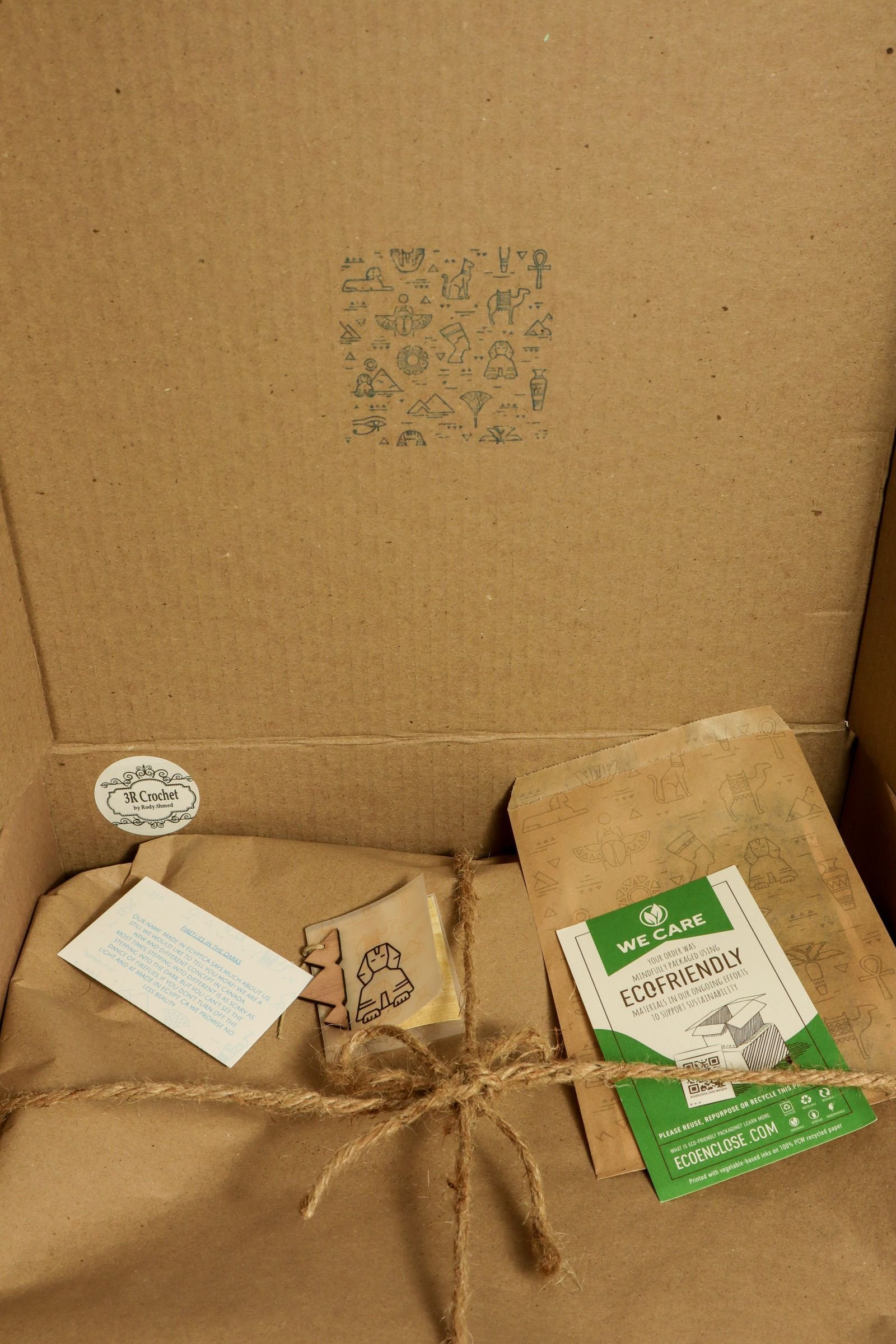
READ MORE — COMPLETE GUIDE TO COMPOSTABLE PACKAGING
The Complete Guide to Compostable Packaging
Sustainability has moved from a nice extra to a buying factor. Shoppers read labels, check materials and post photos of unboxings that look wasteful. Compostable packaging answers that pressure in a direct way: when the box reaches the end of its useful life, it can return to the soil instead of becoming long-lived waste. This guide explains what compostable packaging really is, how it differs from recyclable and biodegradable options, which standards matter in the United States, how to design it, where it works best and how to order it without surprises.
What Does Compostable Mean?
A material is compostable when microorganisms can break it down into carbon dioxide, water, inorganic compounds and biomass within a defined time frame, leaving no visible pieces and no toxic residue. The important words are defined time frame and conditions. A paper box in a commercial compost facility, where piles reach high temperatures and are turned regularly, may break down in a few weeks. The same box in a cold, dry backyard heap may take many months. That is why the industry separates industrial compostable packaging from home compostable packaging.
Industrial or commercial composting uses managed piles, windrows or in-vessel systems that hold temperatures around 130–160°F, keep moisture balanced and add oxygen. These conditions speed decomposition dramatically. Home composting is slower and less predictable, so materials certified for home composting must break down at lower, fluctuating temperatures.
Compostable vs Biodegradable vs Recyclable
These three words are often used as if they mean the same thing, but they do not, and mixing them up can create legal and reputational risk.
- Biodegradable only means that a material will eventually be broken down by living organisms. It does not say how long that takes or what is left behind. Many states restrict or discourage the use of “biodegradable” on packaging because it is so vague.
- Compostable is a more specific claim. It means the material breaks down within a set time in a compost environment and leaves nothing harmful. In the USA, compostable claims are expected to be backed by recognized test standards and, ideally, third-party certification.
- Recyclable means the material can be collected, sorted and reprocessed into new material. Most plain paperboard and corrugated boxes are both recyclable and compostable, which gives customers two good end-of-life choices.
For many paper-based boxes, the best message is simple: recycle it if your area accepts paper, or compost it if you have access to a compost program. Our team can help you word that on-pack instruction clearly.
Standards and Certifications That Matter in the USA
Credible compostable packaging is tested, not assumed. The most common references are:
- ASTM D6400 – the US standard specification for plastics designed to be aerobically composted in municipal or industrial facilities.
- ASTM D6868 – the standard for products where biodegradable plastics or coatings are applied to paper or other compostable substrates, which is highly relevant for coated paper cups, trays and food boxes.
- BPI certification – the Biodegradable Products Institute certifies products that meet ASTM D6400 or D6868 and screens for intentionally added fluorinated chemicals (PFAS). The BPI logo is widely recognized by US composters.
- TÜV OK compost HOME and OK compost INDUSTRIAL – international certifications often used for home-compostable claims.
- EN 13432 – the European standard for packaging recoverable through composting, useful when you also sell into the EU.
State laws are tightening as well. California, Washington and several other states regulate how the words “compostable” and “biodegradable” can be used, and many states have restricted intentionally added PFAS in food packaging. If you plan to print compostable claims, use materials with documentation and follow the labeling rules for the states where you sell. We provide material specification sheets so your team can keep records.
Materials We Use for Compostable Boxes
Unbleached Kraft Board
Kraft is strong, natural and has a warm brown surface that customers instantly associate with eco-friendly brands. Uncoated kraft is compostable and recyclable, and it takes one- and two-color water-based printing beautifully.
Recycled Paperboard
Made from recovered fiber, recycled board reduces demand for new pulp. It is ideal for folding cartons, sleeves and inserts. Its gray or white-lined surface works well for full-color printing.
FSC-Certified Board
Board from responsibly managed forests can be printed with the FSC mark, giving customers confidence that the fiber was sourced responsibly as well as disposed of responsibly.
Molded Pulp and Bagasse
Molded fiber from recycled paper or sugarcane bagasse is used for inserts, trays and food containers. It cushions products well and composts readily.
Plant-Based Barrier Coatings
Food boxes often need grease or moisture resistance. Instead of polyethylene laminates, compostable designs use aqueous barrier coatings or PLA-based linings tested to ASTM D6868. These let a burger box hold oil or a coffee pouch keep moisture out without blocking composting.
Compostable Windows and Films
Where a window is needed, we can use cellulose or PLA film instead of standard PET, keeping the whole box suitable for composting.
Inks, Adhesives and Finishes
A compostable box is only as compostable as everything on it. Conventional solvent inks, metallic foils, plastic lamination and hot-melt glues can leave residue or slow breakdown. For compostable packaging we recommend:
- Water-based and soy-based inks that print crisp logos and patterns with lower volatile organic compounds.
- Starch or water-based adhesives for side seams and glued trays.
- Aqueous coating instead of film lamination when you want scuff resistance or a soft sheen.
- Embossing and debossing to create premium texture without adding any extra material at all.
- Limited ink coverage on uncoated kraft, which looks intentional, saves cost and keeps the fiber clean.
If a design really needs foil or a soft-touch feel, our team will explain the trade-off and suggest alternatives that keep your claims accurate.
Popular Compostable Packaging Styles
Compostable Mailer Boxes
Roll-end tuck front mailers in corrugated kraft are strong enough for shipping and fully paper-based. Add paper tape and a printed message about composting to complete the experience.
Folding Cartons
Tuck-end and auto-lock bottom cartons work for cosmetics, supplements, tea and small goods. They ship flat and assemble quickly on a packing table.
Food and Takeaway Boxes
Clamshells, gable boxes, noodle boxes and burger boxes made with compostable barrier coatings let restaurants match the compostable cutlery and bags they already use.
Sleeves and Belly Bands
A printed paper sleeve around a reusable jar or a bundle of products adds branding with very little material.
Molded Fiber Inserts
Replace plastic trays and foam with molded pulp inserts that hold bottles, devices or jars securely and go into the same compost bin as the box.
Which Industries Benefit Most?
Restaurants and cafés use compostable takeaway packaging to meet local food-ware ordinances and to support city organics programs. Coffee and tea brands use compostable cartons and outer boxes that match their sourcing stories. Beauty and wellness brands pair refillable containers with compostable cartons. Apparel labels ship in paper mailers instead of poly bags. Subscription boxes reduce waste across thousands of monthly shipments. Event and corporate gifting teams choose compostable boxes to align with company sustainability goals.
Designing Compostable Packaging That Still Sells
Eco-friendly does not have to look plain. Good compostable packaging combines thoughtful structure, honest materials and confident graphics.
- Let the material show. Kraft and recycled board have natural texture. Use it as part of the design instead of covering it completely.
- Use strong contrast. A single dark ink on kraft or a bright spot color on recycled white board is easy to read on shelves and in unboxing videos.
- Tell the end-of-life story. A short line such as “Compost me in an industrial facility where available” guides customers and avoids confusion.
- Print the inside. Interior printing adds a surprise moment without extra components.
- Right-size the box. A box that fits the product snugly uses less material, needs less void fill and costs less to ship.
Performance: Will Compostable Boxes Protect My Product?
Yes, when they are designed correctly. Compostable does not mean fragile. Corrugated kraft mailers in E- or B-flute protect cosmetics, books and apparel during parcel shipping. Rigid compostable gift boxes built from thick chipboard wrapped in uncoated paper feel just as premium as conventional rigid boxes. For heavier goods, we use double-wall corrugated board and molded fiber inserts. What matters is choosing the right board grade, flute and structure for the product’s weight and the shipping method. We check this during the dieline stage and can send samples before production.
Storage matters too. Paper-based compostable packaging should be kept dry and off the floor. Once assembled with food, barrier-coated containers hold up through normal delivery times, but they are designed to break down in compost, so they are not intended for very long-term storage of wet products.
Cost of Compostable Packaging
Plain kraft and recycled-board boxes are often similar in price to conventional printed cartons, especially at moderate quantities. Costs increase when you add specialized barrier coatings, compostable window films or certified molded inserts. The main factors are:
- Box style and size
- Board grade and thickness
- Number of ink colors and coverage
- Barrier coatings for food contact
- Inserts and windows
- Order quantity and turnaround time
We help you balance budget and impact. Sometimes the most sustainable choice is also the most economical one: a smaller, simpler box with one-color printing on recycled kraft.
How to Communicate Compostability Responsibly
Environmental marketing claims in the USA should be clear, specific and supported, following the Federal Trade Commission’s Green Guides. Practical tips include:
- Specify whether the packaging is home compostable or industrially compostable.
- Mention that industrial composting facilities may not exist in every area.
- Do not claim the whole package is compostable if one part, such as a label, is not.
- Use certification logos only when your materials are actually certified.
- Keep supplier documents on file in case customers or regulators ask.
Clear, honest wording builds trust, and trust is the real value of sustainable packaging.
Our Compostable Packaging Process
We keep ordering simple. First, share your product dimensions, quantity, target ship date and the claim you want to make. Our specialists recommend materials and coatings and send a dieline. Next, our designers place your artwork and prepare a 3D mockup at no charge. After approval, we produce a sample or go straight to production, printing with water-based inks and checking every run for color, cutting and folding. Finished boxes ship flat to your warehouse, fulfillment center or store anywhere in the United States.
Tips for Switching From Plastic to Compostable Packaging
- Audit what you use today. List every bag, tray, film and filler in your current packaging.
- Replace the easy items first. Poly mailers, bubble wrap and plastic inserts often have direct paper-based alternatives.
- Test with real shipments. Send a small batch to customers or team members around the country and gather feedback.
- Update your website and inserts. Tell customers how to dispose of the new packaging.
- Measure and share results. Many brands report the pounds of plastic removed each year, which makes a strong story for marketing.
Why Choose PackagingAazz for Compostable Packaging?
PackagingAazz combines eco-material knowledge with full custom printing. We offer free design support, no die or plate charges, low minimum order quantities and delivery to all 50 states from our Los Angeles base. Whether you need five hundred compostable cartons for a product launch or tens of thousands of takeaway boxes for a restaurant group, our team will help you choose the right structure, certify the right materials and present your brand beautifully, without compromising on the planet.
Common Mistakes to Avoid With Compostable Packaging
Brands that switch to compostable packaging for the first time often make the same few mistakes. The first is adding a non-compostable component, such as a plastic label, a PET window or a glossy laminated sleeve, to an otherwise compostable box. One small part can disqualify the whole package from a composting program, so every component should be reviewed together. The second mistake is making a broad claim like “100% eco” without explaining how the packaging should be disposed of. Customers want simple instructions, and composters want contamination-free material.
The third mistake is choosing the wrong board for the job. A thin carton may be perfect for a tea box on a shelf, but it will crush in a parcel network. Matching board grade, flute and structure to the product and the delivery method prevents damage, returns and wasted packaging. The fourth mistake is ignoring storage conditions. Paper-based packaging absorbs humidity, so store flat boxes in a dry area and rotate stock so older inventory is used first.
Compostable Packaging and Local Food-Ware Rules
Many US cities and counties now regulate single-use food packaging. Some require takeaway containers to be recyclable or compostable, some ban expanded polystyrene foam, and some require that disposable food-ware accepted by local composters carry clear labels or color cues. Restaurants, cafés, caterers and food trucks should check the rules in each city where they operate. Because rules differ between places such as San Francisco, Los Angeles, Seattle, Portland, Denver and New York City, we design food packaging that can be adapted for different markets while keeping the same brand look.
Measuring the Impact of Your Switch
Once your compostable packaging is in use, track the results. Count how many plastic bags, foam trays or laminated boxes you removed, estimate the weight saved per year and note changes in customer reviews and social media mentions. Many brands publish these figures in an annual sustainability update or on product pages. Real numbers make your environmental story more believable than general claims, and they help your team decide which packaging to improve next. PackagingAazz can provide material weights for each box so your calculations are accurate.
Ordering Compostable Packaging Anywhere in the USA
PackagingAazz is based in Los Angeles, California, and ships compostable packaging to businesses in all 50 states. Our team works with single-location shops, multi-store retailers, online brands, distributors and corporate buyers. Because every order ships flat, freight costs stay low and your boxes arrive ready to store and assemble. We regularly ship to major hubs such as New York, Chicago, Houston, Dallas, Phoenix, Atlanta, Miami, Seattle and Denver, as well as smaller towns and rural addresses.
When you request a quote, tell us the product you are packing, the inside dimensions, the quantity, the delivery ZIP code and your target date. If you are not sure about sizes or materials, our specialists will recommend options based on similar projects and can send blank or printed samples before you commit. You receive a written quotation that lists the material, printing method, finishes, inserts, production time and shipping, so there are no hidden charges later.
Our Quality Promise for Compostable Packaging
Every run of compostable packaging passes through a documented quality process. We confirm the dieline against your product, proof colors against your approved artwork, check cutting and creasing accuracy on the first sheets, and inspect gluing, folding and finishing before cartons are packed. If anything does not match the approved proof, we fix it before it leaves our facility. That is why brands trust PackagingAazz for repeat orders, seasonal launches and fast reorders.
- Free design support – dielines, artwork placement and 3D mockups at no extra charge.
- No hidden setup fees – no die or plate charges on standard projects.
- Low minimums – short runs for startups, larger runs with better unit pricing.
- Dedicated support – one specialist from quote to delivery.
- Fast turnaround – standard and rush production options.
Printing Methods for Compostable Packaging
The right printing method depends on quantity, material, color requirements and budget. Offset lithography delivers the sharpest detail and most consistent color on paperboard and is the best value for medium and large runs of compostable packaging. Digital printing needs no plates, which makes it ideal for short runs, prototypes, seasonal versions and variable data such as names or numbers. Flexographic printing is efficient for corrugated board and long runs with simpler graphics, while screen printing suits bold logos and specialty inks on kraft and textured papers. We print in CMYK for photographs and full-color artwork and use Pantone spot colors when exact brand matching matters. Interior printing, white ink on kraft and metallic inks are also available.
Finishing Options That Add Value
Finishes protect the print and shape how customers feel about your brand. Aqueous coating and varnish add scuff resistance with very little cost. Matte, gloss and soft-touch finishes change the look and feel of the surface. Spot UV highlights a logo or pattern with a glossy contrast, while embossing and debossing add raised or recessed texture that customers notice the moment they pick up the box. Foil stamping in gold, silver, copper or holographic tones signals premium quality. For sustainable projects we recommend coatings and textures that keep compostable packaging easy to recycle. Our team will show you how each finish looks on your chosen material before you approve the proof.
Choosing the Right Size and Structure
A well-fitted box protects the product, looks better and costs less to ship. Always measure the inside dimensions you need, in the order length × width × depth, and allow a little extra space for inserts, wrapping or printed cards. Consider how the package will be used: on a retail shelf, in a shipping carton, handed over a counter or delivered to a doorstep. Tuck-end and auto-lock structures assemble quickly, rigid and two-piece boxes create a luxury feel, mailers protect products in transit and display boxes help products stand out at checkout. Our structural designers create a custom dieline for every order of compostable packaging and can send a blank sample so you can test fit before printing.
Businesses We Serve
We produce compostable packaging for startups launching their first product, established brands refreshing their packaging, e-commerce sellers on Shopify and Amazon, restaurants and bakeries, cosmetic and wellness companies, apparel labels, subscription box businesses, event planners, marketing agencies and corporate gifting teams. Whether you need a few hundred units for a pop-up shop or repeat orders of tens of thousands for national distribution, our team scales production to match your needs while keeping the quality consistent from the first box to the last.
WHAT WE MAKE
Compostable Packaging Options
Popular compostable packaging styles we produce:
Compostable Mailers
Kraft shipping
Compostable Cartons
Retail tuck boxes
Takeaway Food Boxes
Barrier coated
Molded Fiber Inserts
Plastic-free fit
Paper Sleeves
Minimal branding
PACKAGING EXPERTS. CAREFUL WORK.
Compostable Packaging Done Right
We match every compostable order to documented materials, water-based inks and plant-based adhesives, then check each run for print quality, folding strength and finish. You receive spec sheets for your records, so the claims on your box are accurate as well as attractive.
Dielines & 3D mockups
No die & plate charges
Short runs welcome
All 50 states
WHAT'S INCLUDED
What's Included With Every Compostable Packaging Order
Product Measurement
We confirm the exact inside dimensions your product needs before recommending a structure.
Dieline & Structure
Custom dielines, inserts and closures planned so every box folds, locks and fits properly.
Free 3D Mockup
See your artwork on the real box shape and request changes before anything is printed.
Expert Printing
Offset, digital or flexo printing matched to your quantity, material and brand colors.
Quality Checks
Every run is checked for color, cutting, gluing and finishing before it is packed.
Flat-Pack Delivery
Boxes ship flat to save space and freight, to any address in the USA.
MATERIALS & FINISHES
Materials & Finishes for Compostable Packaging
Uncoated Kraft Board
Natural brown board that composts and recycles easily and prints crisp one- and two-color designs.
Recycled Paperboard
Recovered-fiber board for cartons, sleeves and inserts with a smooth surface for full-color graphics.
FSC-Certified Board
Responsibly sourced fiber that can carry the FSC logo alongside your compostable message.
Corrugated Kraft
E-, B- and double-wall flutes for compostable mailers and shipping boxes that protect products.
Molded Pulp & Bagasse
Fiber inserts and trays that replace foam and plastic and break down in compost.
Aqueous Barrier Coating
Grease and moisture resistance for food boxes without polyethylene film.
Water & Soy-Based Inks
Low-VOC inks that print vivid color while keeping the box suitable for composting.
Embossing & Debossing
Premium raised or recessed texture with no foil, film or extra material.
HOW IT WORKS
Order Compostable Packaging in 4 Simple Steps
1. Share Your Details
Send box style, size, quantity and artwork ideas by form or call +1 (213) 597-4368.
2. Free Design & Mockup
Our designers prepare the dieline and a 3D proof for your approval.
3. Clear Quotation
You get a written quote with material, print, finish and timeline.
4. Print & Deliver
We print, finish, inspect and ship your boxes anywhere in the USA.
FREQUENTLY ASKED QUESTIONS
Compostable Packaging FAQs
Is compostable packaging the same as biodegradable packaging?
No. Biodegradable is a vague term that only means a material breaks down eventually. Compostable means it breaks down within a defined time in a compost environment and leaves no harmful residue. Compostable claims should be supported by standards such as ASTM D6400 or D6868.
Can I compost these boxes at home?
Plain uncoated kraft and paperboard boxes with water-based inks usually break down in a well-managed home compost pile, especially if torn into pieces. Items with barrier coatings or PLA windows are typically designed for industrial composting. We will tell you which category your design fits.
Are compostable boxes also recyclable?
Most of our paper-based compostable boxes can also be recycled in curbside paper programs, as long as they are clean. Heavily food-soiled boxes are better suited to composting.
Do you provide certified compostable materials?
Yes. For projects that need certification, we use materials tested to recognized standards and can supply specification sheets. Certified food-contact coatings and molded fiber are available on request.
Can compostable packaging be used for food?
Yes. We offer food-safe compostable takeaway boxes, bakery boxes and sleeves using aqueous or plant-based barrier coatings that resist grease and moisture without plastic film.
Will compostable boxes survive shipping?
Yes. Corrugated kraft mailers and shipping boxes are designed for parcel networks. We choose the flute and board thickness based on product weight and shipping method, and we can send samples for testing.
Can I add foil or lamination to compostable boxes?
Standard foil and plastic lamination can interfere with composting. We usually recommend embossing, debossing, aqueous coating or bold ink designs instead, which give a premium look while keeping your claims accurate.
What is the minimum order quantity?
We offer low minimums for compostable packaging, so startups and small brands can order short runs. The exact minimum depends on box style and printing method, and we confirm it in your quote.
How long does production take?
Most compostable packaging orders are produced in about 8–12 business days after artwork approval, plus shipping time. Rush options are available for many styles.
How should I label my compostable packaging?
Be specific and honest. State whether the box is home or industrially compostable, mention that facilities are not available everywhere, and only use certification logos you are authorized to use. Our designers can help with clear wording.
GET STARTED
Free Quote for Compostable Packaging
Tell us your box style, size, quantity and finish. We reply with a clear written quote and a free design mockup. No obligations, no cost.
"*" indicates required fields
Contact PackagingAazz
Talk to a packaging specialist about sizes, materials, printing and pricing.
- Call: +1 (213) 597-4368
- sales@packagingaazz.com
- 1835 W 82nd St, Los Angeles, CA 90047
- Free design & written quote
- Shipping to all 50 states
EXPLORE MORE
Related Packaging Services
Biodegradable Packaging Boxes
Eco materials
Recycled Kraft Boxes
Natural kraft
Sustainable Packaging
Green solutions
Eco-Friendly Packaging
Planet friendly