PACKAGINGAAZZ USA · DEBOSSED PACKAGING
Debossed Packaging
in the USA
PackagingAazz produces debossed packaging with logos, names and patterns pressed into the surface for a refined, tactile finish, shipped from Los Angeles to all 50 US states.
- ★★★★★ Trusted by brands & businesses across the USA
Pressed-in elegance
Resists everyday wear
Artwork prepared for you
SERVICE DETAILS
Debossed Packaging – PackagingAazz
Debossing presses a design down into the surface of the board, creating a recessed impression that customers can see and feel. The effect is quieter than embossing but equally premium, giving boxes a crafted, timeless character that suits minimalist and luxury brands alike.
We deboss rigid boxes, folding cartons, sleeves and mailer boxes, either blind or filled with foil or ink. Our designers prepare the artwork, show the result in a free 3D mockup and recommend the material and depth that will give a clean, sharp impression.
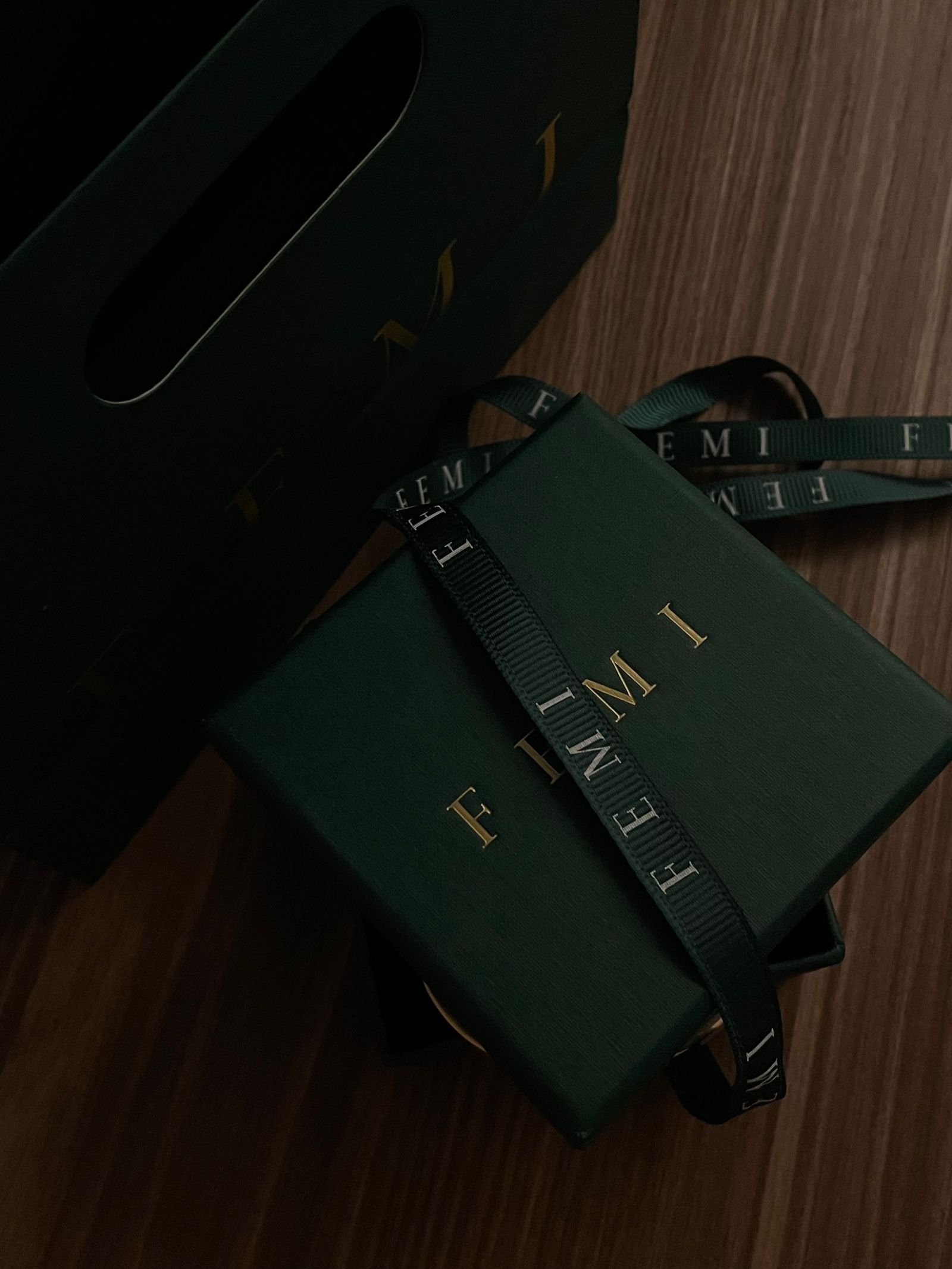
READ MORE — COMPLETE GUIDE TO DEBOSSED PACKAGING
The Complete Guide to Debossed Packaging
Debossing is the art of pressing a design into packaging so that it sits below the surface. It creates a subtle, tactile impression that many brands associate with quiet luxury and craftsmanship. This guide covers how debossing works, its main styles, how it compares with embossing, the best materials and box styles, design guidance, costs and common mistakes.
How Debossing Works
Debossing uses a metal die with the design raised on its surface. When the die is pressed onto the board, usually with heat and controlled pressure, it compresses the fibres and leaves a recessed impression. Unlike embossing, which pushes material up using a matching counter die, debossing primarily pushes material down, and on thick rigid board it can be done without a deep counter.
Key Variables in Debossing
- Depth: deeper impressions are more visible but require suitable board thickness.
- Edge definition: crisp edges create a sharp, engraved look; softer edges feel gentle and pillowy.
- Heat and pressure: tuned to the material to avoid cracking coatings or crushing board.
- Fill: left blind, or filled with foil or ink for contrast.
Types of Debossing
Blind Debossing
Blind debossing leaves the impression without any colour. It relies on shadow and texture, making it ideal for minimal designs on solid-coloured or soft-touch surfaces.
Foil Debossing
Foil debossing presses metallic or coloured foil into the surface at the same time as the impression is made. The foil sits within the recess, which helps protect it from scuffing and gives a jewel-like, inlaid effect.
Ink-Filled Debossing
The recessed area is printed in a colour, either aligned with the impression or applied over it. This adds contrast while keeping the tactile feel.
Pattern Debossing
A repeating design such as a grid, texture or monogram pattern is pressed across a large area, often on rigid box wrap, to create an all-over tactile surface.
Multi-Level Debossing
Different areas of the design are pressed to different depths, adding dimension to crests and complex logos.
Debossing vs Embossing
| Aspect | Debossing | Embossing |
|---|---|---|
| Direction | Pressed into the surface | Raised above the surface |
| Visual effect | Subtle, engraved look | Bold, sculpted look |
| Durability | Less exposed to rubbing in handling | Raised areas can flatten under heavy pressure |
| Foil pairing | Foil sits protected in the recess | Foil sits on the raised surface |
| Best on | Rigid boxes, thick papers | Flexible papers and cartons |
Best Materials for Debossing
| Material | Suitability | Notes |
|---|---|---|
| Rigid box wrap over chipboard | Excellent | Thick base supports a deep, clean impression |
| Textured and uncoated papers | Excellent | Natural fibres take impressions beautifully |
| Soft-touch laminated board | Very good | Velvety surface highlights recessed edges |
| SBS paperboard | Good | Moderate depth on thinner cartons |
| Kraft board | Good | Earthy, rustic impression |
| Thick corrugated | Limited | Flutes can crush unevenly |
Design Guidance for Debossing
- Favour bold shapes: solid logos and medium-weight lettering deboss more cleanly than hairlines.
- Respect minimum sizes: very small text can fill in or look blurred.
- Keep away from folds: place debossing on flat panels, away from scores and edges.
- Separate the layer: supply the deboss area as solid vector shapes on its own layer.
- Consider the surface: matte and soft-touch finishes make shadows more visible.
- Plan the reverse: on cartons, the back of the impression may show inside.
Debossed Packaging by Industry
Luxury Fashion and Accessories
Debossed logos on rigid boxes and magnetic closure boxes deliver the understated elegance associated with high-end fashion. Blind debossing on black or neutral soft-touch surfaces is a classic choice.
Jewellery and Watches
Small presentation boxes benefit from a debossed monogram or wordmark. Foil-filled debossing in gold or silver echoes the metals of the jewellery inside.
Cosmetics and Skincare
Clean beauty and premium skincare brands use blind debossing to add texture without extra inks, supporting a calm, minimal aesthetic.
Technology
Electronics brands often prefer debossing for its precise, engineered look on rigid boxes that house devices and accessories.
Candles, Tea and Gourmet Goods
Debossed patterns and logos on kraft or textured boxes suit artisan products and create a crafted feel. For food items, confirm packaging requirements with your food safety advisor.
Corporate Gifts and Stationery
Debossed company logos on gift boxes and folders look professional and subtle, which suits client and employee gifts.
Why Brands Choose Debossing
- Quiet confidence: a recessed logo communicates quality without shouting.
- Durability: recessed areas are less exposed to rubbing during shipping and handling.
- Protected foil: foil within a deboss is shielded from scuffs.
- Tactile interest: customers notice the impression when they handle the box.
- Fewer decorative materials: blind debossing adds design interest without ink or foil.
The Debossed Packaging Process
- Consultation: we discuss your box, material and the element to deboss.
- Artwork preparation: our free design service prepares the deboss layer and checks detail size.
- Free 3D mockup: you see the placement and how it works with print and finishes.
- Proof approval: the deboss area is clearly marked for sign-off.
- Die making: a debossing die is produced from the approved artwork.
- Printing and coating: sheets or wraps are printed and laminated as specified.
- Debossing: impressions are pressed with calibrated heat and pressure.
- Converting and assembly: cartons are cut and glued, or rigid boxes wrapped and assembled.
- Inspection and delivery: boxes are checked and shipped across the USA, with production typically around 8-12 business days.
Cost Factors for Debossed Packaging
- Size of the debossed area: larger areas need larger dies and more pressure.
- Detail level: intricate artwork requires more precise tooling.
- Number of impressions: each separate debossed area may add setup.
- Foil or ink fill: adds material and, sometimes, an additional pass.
- Box style: rigid boxes involve wrapping and assembly steps.
- Quantity: setup is spread across the run, lowering the per-box cost as quantity rises.
We offer no die or plate charges on our packaging and will explain any finish-related costs clearly in your quote.
Mistakes to Avoid With Debossing
- Thin lines and tiny text: fine details can close up or look uneven.
- Debossing thin board too deeply: can tear or distort the material.
- Busy backgrounds: blind debossing disappears on heavily patterned print.
- Positioning over folds: weakens the crease and distorts the impression.
- Ignoring coatings: some gloss laminations can crack under pressure; we advise on compatible finishes.
- Overusing the effect: one clear debossed element usually feels more premium than many.
Debossing and Sustainability
Blind debossing is a decorative technique that adds no additional material to the box, which appeals to brands trying to reduce inks, foils and plastic laminations. Debossing on uncoated paper or kraft board keeps the packaging paper-based while still feeling premium. Recyclability depends on the full material combination and local facilities, so verify any environmental claim with your advisor before printing it.
Choosing Debossing Depth and Edge Style
The character of a debossed design depends heavily on how deep it is and how its edges are shaped. Thin folding cartons support shallower impressions, while rigid boxes with thick chipboard behind the wrap can hold deeper, more dramatic debossing.
- Light impression: a gentle, almost whispered effect suited to fine typography and delicate patterns.
- Standard depth: the most popular choice for logos, clearly visible and comfortable to the touch.
- Deep impression: a bold, carved look for simple shapes on thick rigid boxes.
Edge style matters too. A sharp, straight wall gives an engraved, precise look that suits technology and modern brands. A rounded edge creates a softer, cushioned impression that feels warm and luxurious. We recommend the combination that suits your material and artwork.
Surfaces That Make Debossing Shine
Debossing is revealed by shadow inside the recess. Surfaces that diffuse light, such as matte lamination, soft-touch coating, uncoated paper and textured stocks, make the impression more visible. Dark colours tend to show debossing clearly under angled light, while light colours give a gentler effect. Highly reflective gloss surfaces can make the recess harder to read and may be more prone to cracking, so we usually suggest matte or soft-touch finishes for debossed areas.
Foil-Filled Debossing in Detail
Foil debossing combines two premium effects in one. The heated die presses the foil into the board, so the metallic colour sits slightly below the surface. Because it is recessed, the foil is better protected from rubbing against other boxes in transit or on the shelf. Gold, silver, rose gold, copper and coloured foils are all options, as are holographic foils for bolder brands. Matte foils give a subtle, modern sheen, while gloss foils reflect light strongly.
Tips for Foil Debossing
- Choose solid, medium-weight shapes so the foil releases cleanly.
- Place foil debossing on matte or soft-touch backgrounds for strong contrast.
- Avoid very large solid foil areas, which can be harder to apply evenly.
- Review the 3D mockup to confirm foil colour against your printed background.
Debossing on Different Box Styles
Rigid Boxes
The wrapping paper is debossed before being wrapped onto chipboard, or the impression is pressed into the finished panel. The thick structure supports crisp, deep impressions and hides the reverse side.
Magnetic Closure and Drawer Boxes
These premium rigid styles are ideal for debossed logos on the lid or drawer front, creating a refined first impression.
Folding Cartons
Cartons are debossed flat before cutting and gluing. Depth is moderate and the reverse may be visible inside.
Sleeves
A debossed sleeve over a plain box can add a premium touch at modest cost.
Mailer Boxes
With suitable printable board, mailers can carry a debossed logo on the lid. Thick corrugated limits fine detail, so bold designs work best.
Detailed Answers About Debossed Packaging
Will a debossed logo be noticeable?
Yes, especially on matte, soft-touch or textured surfaces in dark or mid-tone colours. Blind debossing is intentionally subtle, so if you want more visibility, consider foil or ink fill.
Can debossing be used on kraft boxes?
Yes. Kraft takes debossing well, producing a warm, natural impression that suits artisan and eco-focused brands.
Can I combine debossing and embossing on one box?
Yes. Some designs deboss a background pattern and emboss a logo, creating contrast between recessed and raised areas. This requires careful die planning, which our team can help with.
How do I preview debossing?
Our free 3D mockup shows placement and appearance. For important launches, ask about a physical sample so you can feel the impression before full production.
Is debossing available on small orders?
Yes. Our low minimums and no die or plate charges make debossing accessible to smaller brands.
Glossary of Debossing Terms
- Deboss: to press a design below the surface.
- Blind deboss: a deboss with no ink or foil.
- Foil deboss: foil pressed into a recessed impression.
- Die: the metal tool carrying the design.
- Impression: the recessed mark left by the die.
- Dwell time: how long the die stays in contact with the board.
- Chipboard: thick board used in rigid boxes.
- Soft-touch: a velvety lamination that highlights debossing.
Creative Ideas for Debossed Packaging
- Lid-only logo: a single centred debossed wordmark on an otherwise plain lid is a timeless luxury signature.
- Tonal pattern: a debossed repeating pattern in the same colour as the box creates a rich surface that reveals itself under light.
- Inlaid foil crest: foil debossing gives the effect of a metal inlay, ideal for heritage or prestige brands.
- Debossed frame: a recessed border around a product name or label area guides the eye.
- Hidden message: a small debossed line inside a lid or drawer adds a moment of surprise for attentive customers.
- Mixed relief: a debossed background with an embossed logo creates striking contrast between levels.
- Product-inspired textures: a debossed grain for wooden products, a wave for marine skincare or a leaf vein for botanical goods ties the touch to the product story.
Debossing for Different Brand Personalities
Minimal and Modern
Blind debossing on a single-colour soft-touch box communicates clarity and restraint. Keep typography clean and allow plenty of empty space around the impression.
Heritage and Traditional
Foil-debossed crests, ornate borders and serif lettering on deep colours suggest longevity and craftsmanship. Textured papers resembling linen or leather reinforce the feel.
Natural and Handmade
Debossing on kraft or uncoated boards gives an honest, stamped look reminiscent of traditional printing presses, which suits small-batch and artisan products.
Technical and Precise
Sharp-edged blind debossing of a geometric logo on a rigid box conveys engineering quality, popular for electronics and tools.
Combining Debossing With Other Finishes
Debossing pairs well with several other techniques. Soft-touch lamination makes it more visible and pleasant to touch. Spot UV applied around, but not inside, a debossed area can create a glossy-matte contrast. Foil can fill the impression for shine. Printed colour can be registered to the deboss for a coloured recessed logo. As with any premium finish, restraint usually works best: choose one main effect and support it with one secondary detail. Our designers will show the combination in a 3D mockup so you can judge the balance before approving.
Photographing Debossed Packaging
Recessed details can vanish under flat lighting. For product photography, use a single angled light source to create soft shadows inside the impression, and include close-up shots that show the texture. These images help online shoppers understand the quality they will feel when the box arrives.
Shipping Debossed Boxes
Debossing is durable because the design is protected within the surface, but premium rigid boxes still need protection in parcel networks. Ship them inside a corrugated outer carton with appropriate cushioning, and avoid packing tape directly across debossed areas, which could mar soft-touch coatings when removed.
Planning a Debossed Packaging Project
- Choose the hero element: decide whether your logo, name, emblem or a pattern deserves the deboss.
- Select box style and material: rigid boxes and textured papers give the deepest, cleanest results; cartons and sleeves are cost-effective alternatives.
- Pick a style: blind, foil-filled, ink-filled, pattern or multi-level.
- Prepare artwork: supply vector files with the deboss area on a separate layer, or let our free design team prepare them.
- Review the mockup: check placement, size and how the deboss relates to print and other finishes.
- Consider a sample: for launches where feel is critical, a physical sample confirms the effect.
- Approve and schedule: allow roughly 8-12 business days of production plus shipping time.
Debossing Size and Placement Guidelines
| Element | Guidance |
|---|---|
| Logos | Use a solid or bold version; simplify very fine detail |
| Text | Choose medium or bold weights; avoid very small sizes |
| Patterns | Keep spacing generous so impressions stay distinct |
| Placement | Flat panels away from folds, edges and glue areas |
| Fill | Foil or ink fills need solid, clean shapes |
Because every material behaves slightly differently, we review your artwork against the chosen board and suggest adjustments where needed.
Maintaining Consistency on Reorders
Keep your approved artwork, material choice and finish specifications on file for every debossed design. If you change the board, coating or box style, the impression can look and feel different, so review a new mockup and proof. When updating a logo, the debossing tooling will usually need to change too. Our team keeps your specifications on record so repeat orders stay consistent.
Checklist Before Approving Debossed Packaging
- Deboss layer supplied as solid vector shapes.
- Fine detail and text sizes checked.
- Impression placed on a flat panel away from folds.
- Material and coating confirmed as compatible.
- Foil or ink fill colour reviewed against the background.
- Inside of folding cartons planned around the reverse impression.
- Shipping protection planned for rigid boxes.
Order Debossed Packaging From PackagingAazz
Debossed packaging offers a refined, durable way to make your brand felt as well as seen. PackagingAazz provides free design support, free 3D mockups, low minimums and no die or plate charges, with shipping from Los Angeles to all 50 states. Send us your logo, product dimensions and quantity to receive a free quote.
The Psychology of Recessed Design
Recessed details have long been associated with permanence and value. Think of engraved stationery, stamped leather goods or carved stone lettering: in each case, the design is cut or pressed into the material rather than placed on top. Debossed packaging borrows from that tradition. When a customer feels a logo pressed into a box, it suggests the brand was made to last and that someone took care over the details.
Debossing also rewards closer attention. Unlike a bright printed graphic, a blind deboss may not be noticed until the box is picked up and tilted toward the light. That small moment of discovery can make a product feel more personal and considered, which is one reason minimalist and luxury brands favour it.
Debossing for Unboxing Experiences
Debossing works throughout the unboxing sequence, not only on the outer lid. Consider debossing a pattern on the inside of a lid, a small mark on a drawer pull tab, or a logo on a fitted insert cover. Matching debossed details on a thank-you card or tissue sticker can tie the experience together. Each touchpoint should feel consistent so the customer recognises the same level of care at every layer.
Debossing on Coloured and Dyed-Through Papers
Speciality papers that are coloured throughout, rather than printed on the surface, are a favourite for debossing. Because the colour runs through the fibre, the impression keeps a uniform tone, giving a seamless, high-end result without any white showing at the edges. These papers are commonly used as rigid box wraps in black, navy, deep green, burgundy and natural tones. Ask us about speciality wrap options when planning a premium debossed box.
Debossing Across a Product Range
Brands with several products can use debossing to create a family look. A consistent debossed logo position on every lid, with variants distinguished by box colour or printed accents, keeps the range coherent on the shelf. Alternatively, a shared debossed pattern can unify different box sizes, from small samplers to large gift sets. Planning this system early means new products can join the range easily, using the same placement rules and finishes.
Practical Tips for Range Planning
- Keep the debossed logo the same proportion of the lid across sizes where practical.
- Use consistent materials and coatings so the impression looks alike from box to box.
- Record placement measurements in a simple specification sheet for future reorders.
- Review all sizes together in mockups before approving the first run.
Getting Started With Debossing
Share your logo in vector format, the products you want to package, preferred box style and approximate quantities. Tell us whether you prefer a subtle blind impression or a foil-filled finish. Our team will recommend materials and depth, prepare a free 3D mockup and send a clear quote, with production typically taking around 8-12 business days after proof approval.
Caring for Debossed Packaging Stock
Store debossed boxes flat or nested as supplied, in a cool, dry place away from direct sunlight. Avoid stacking heavy items directly on lids with soft-touch or foil-filled debossing, as prolonged pressure and humidity can soften fine edges or mark delicate coatings. Handling boxes with clean, dry hands during packing also keeps matte and soft-touch surfaces looking their best, so every customer receives a box with a crisp, clean impression.
WHAT WE MAKE
Debossed Packaging Options
Debossing can be applied in several ways to match your brand style.
Blind Debossing
Pure texture
Foil Debossing
Metallic recess
Ink-Filled Debossing
Coloured impression
Pattern Debossing
All-over texture
Multi-Level Debossing
Layered depth
PACKAGING EXPERTS. CAREFUL WORK.
Debossed Packaging Done Right
Debossed impressions are checked for depth, edge sharpness and position on early sheets, then monitored throughout production. Finished boxes are inspected so each impression is clean, even and aligned.
Dielines & 3D mockups
No die & plate charges
Short runs welcome
All 50 states
WHAT'S INCLUDED
What's Included With Every Custom Debossed Packaging Order
Product Measurement
We confirm the exact inside dimensions your product needs before recommending a structure.
Dieline & Structure
Custom dielines, inserts and closures planned so every box folds, locks and fits properly.
Free 3D Mockup
See your artwork on the real box shape and request changes before anything is printed.
Expert Printing
Offset, digital or flexo printing matched to your quantity, material and brand colors.
Quality Checks
Every run is checked for color, cutting, gluing and finishing before it is packed.
Flat-Pack Delivery
Boxes ship flat to save space and freight, to any address in the USA.
MATERIALS & FINISHES
Materials & Finishes for Custom Debossed Packaging
SBS Paperboard
Bright white, smooth board from 14 to 24 point that gives the sharpest print and most vibrant color for retail cartons.
Kraft Paperboard
Natural brown, strong and recyclable board for eco-friendly, organic and artisan brands, printable with white ink.
Corrugated Board
E-flute and B-flute board with excellent crush and stacking strength for mailers, shippers and heavier products.
Rigid Chipboard
Thick 1 to 3 mm board wrapped in printed or textured paper for luxury, gift and presentation boxes.
Gloss & Matte Lamination
Protective films that make colors vivid with gloss or modern and low-glare with matte, while resisting scuffs.
Soft-Touch Finish
A velvety lamination that feels premium in the hand and resists fingerprints on dark designs.
Foil Stamping & Spot UV
Metallic gold, silver or holographic foil and glossy spot UV highlights for logos and key details.
Embossing & Debossing
Raised or pressed logos and patterns that add a tactile, crafted feel to any box style.
HOW IT WORKS
Order Custom Debossed Packaging in 4 Simple Steps
1. Share Your Details
Send box style, size, quantity and artwork ideas by form or call +1 (213) 597-4368.
2. Free Design & Mockup
Our designers prepare the dieline and a 3D proof for your approval.
3. Clear Quotation
You get a written quote with material, print, finish and timeline.
4. Print & Deliver
We print, finish, inspect and ship your boxes anywhere in the USA.
FREQUENTLY ASKED QUESTIONS
Custom Debossed Packaging FAQs
What is debossed packaging?
Debossed packaging has a design pressed into the material so it sits below the surrounding surface. It is commonly used for logos, brand names and patterns.
Is debossing better than embossing?
Neither is better overall. Debossing feels subtle and holds up well to handling, while embossing stands out more. The choice depends on your brand style and design.
Can debossing be filled with colour?
Yes. Debossed areas can be filled with foil or printed ink, creating a recessed design with metallic or coloured contrast.
Which boxes are best for debossing?
Rigid boxes with wrapped paper show debossing beautifully. Folding cartons, sleeves and printable mailers can also be debossed depending on material.
Does debossing show on the inside of the box?
It can create a slight raised area on the reverse. On rigid boxes this is hidden by the board, while on folding cartons it may be visible inside.
GET STARTED
Free Quote for Custom Debossed Packaging
Tell us your box style, size, quantity and finish. We reply with a clear written quote and a free design mockup. No obligations, no cost.
"*" indicates required fields
Contact PackagingAazz
Talk to a packaging specialist about sizes, materials, printing and pricing.
- Call: +1 (213) 597-4368
- sales@packagingaazz.com
- 1835 W 82nd St, Los Angeles, CA 90047
- Free design & written quote
- Shipping to all 50 states
EXPLORE MORE
Related Packaging Services
Premium Printed Gift Boxes
Printed gifts
Custom Gift Boxes
Gift boxes
Custom Rigid Box Printing
Rigid printing
Custom Inside Box Printing
Inside printing