
Discover the benefits of custom printed packaging: brand recognition, customer experience, protection, retail sales, marketing value and lower shipping costs.
From packaging specialists
Dielines and 3D mockups
Shipped to all 50 states
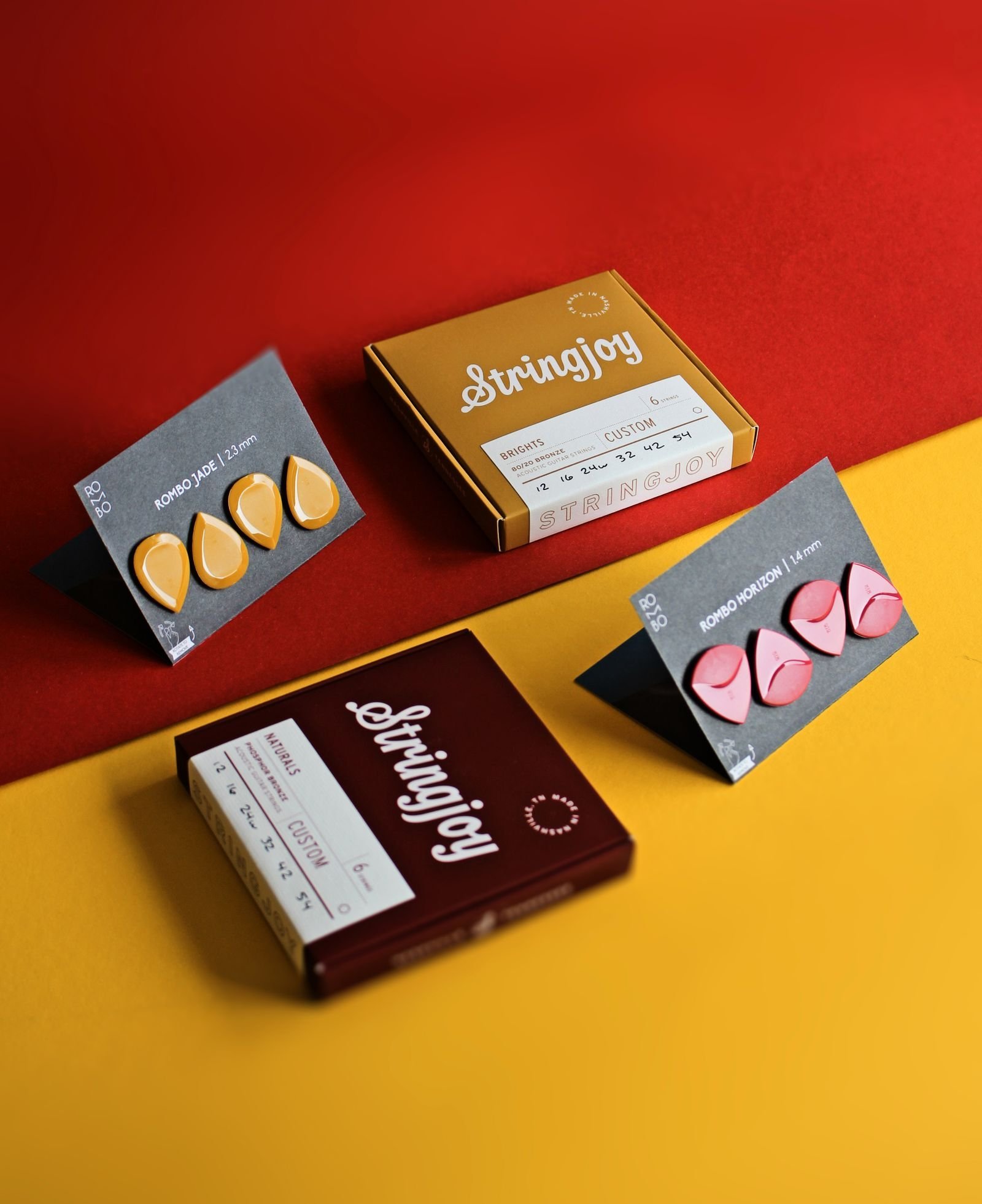
Custom printed packaging is packaging that carries your logo, brand colors, messages and product information directly on the box, bag or label. It turns a functional container into a powerful business tool. Whether you run an e-commerce store, a restaurant, a beauty brand or a wholesale company, printed packaging can influence how customers perceive your products, how often they buy and how they talk about your business. Here are the most important benefits, with practical tips for getting the most from each one.
Consistent printed packaging makes your brand recognizable at a glance. When customers see your colors and logo on a doorstep, a store shelf or a coworker’s desk, they immediately connect it with your business. Repetition builds familiarity, and familiarity builds trust. Use the same core design elements across all packaging so every box reinforces the same identity.
For many customers, the package is the first physical contact with your brand, especially online. A professionally printed box signals that your business is established, organized and cares about details. A plain or damaged box sends the opposite message before the product is even seen.
Printing the inside of a box, adding a thank-you message under the lid or including printed tissue and cards turns opening a package into an experience. Memorable unboxings encourage customers to share photos and videos on social media, giving your brand free exposure to new audiences.
Customers judge product quality partly by packaging. Rich colors, crisp printing and premium finishes such as foil or soft-touch coatings make products feel more valuable. This supports premium pricing and makes products more attractive as gifts.
On a crowded shelf, printed packaging is your silent salesperson. Clear product names, strong benefits, appealing images and distinctive colors help shoppers choose your product in seconds. Retailers also prefer stocking products with professional packaging because it improves their displays.
Every printed box, bag or mailer travels through neighborhoods, offices and homes. Delivery drivers, neighbors and family members see your brand. Printed takeaway bags and pizza boxes advertise restaurants at parties and offices. This exposure costs nothing extra once the packaging is printed.
Printed packaging communicates essential information: product names, ingredients, sizes, instructions, warnings, barcodes, websites and social handles. Well-organized information reduces customer questions and returns and helps meet labeling requirements.
Printed messages, QR codes, discount offers and loyalty program invitations on or inside packaging encourage customers to buy again. A positive packaging experience makes customers more likely to choose your brand next time.
In many markets, products are similar. Packaging is one of the easiest ways to stand out. A distinctive printed design helps customers remember your brand and choose it over competitors with generic packaging.
Printed packaging is usually made in custom sizes, which improves fit and protection and can reduce shipping costs by avoiding oversized boxes. Fewer damaged products and lower void-fill usage add to the savings.
Yes. Low minimums and digital printing make printed packaging affordable even for small runs. Many small brands start with a one-color logo on kraft mailers, which is economical and looks great, then upgrade to full-color designs as they grow. The marketing value and customer experience benefits often outweigh the extra cost per box.
The right printing method depends on quantity, material, color requirements and budget. Offset lithography delivers the sharpest detail and most consistent color on paperboard and is the best value for medium and large runs of printed boxes. Digital printing needs no plates, which makes it ideal for short runs, prototypes, seasonal versions and variable data such as names or numbers. Flexographic printing is efficient for corrugated board and long runs with simpler graphics, while screen printing suits bold logos and specialty inks on kraft and textured papers. We print in CMYK for photographs and full-color artwork and use Pantone spot colors when exact brand matching matters. Interior printing, white ink on kraft and metallic inks are also available.
Finishes protect the print and shape how customers feel about your brand. Aqueous coating and varnish add scuff resistance with very little cost. Matte, gloss and soft-touch finishes change the look and feel of the surface. Spot UV highlights a logo or pattern with a glossy contrast, while embossing and debossing add raised or recessed texture that customers notice the moment they pick up the box. Foil stamping in gold, silver, copper or holographic tones signals premium quality. For sustainable projects we recommend coatings and textures that keep printed boxes easy to recycle. Our team will show you how each finish looks on your chosen material before you approve the proof.
A well-fitted box protects the product, looks better and costs less to ship. Always measure the inside dimensions you need, in the order length × width × depth, and allow a little extra space for inserts, wrapping or printed cards. Consider how the package will be used: on a retail shelf, in a shipping carton, handed over a counter or delivered to a doorstep. Tuck-end and auto-lock structures assemble quickly, rigid and two-piece boxes create a luxury feel, mailers protect products in transit and display boxes help products stand out at checkout. Our structural designers create a custom dieline for every order of printed boxes and can send a blank sample so you can test fit before printing.
We produce printed boxes for startups launching their first product, established brands refreshing their packaging, e-commerce sellers on Shopify and Amazon, restaurants and bakeries, cosmetic and wellness companies, apparel labels, subscription box businesses, event planners, marketing agencies and corporate gifting teams. Whether you need a few hundred units for a pop-up shop or repeat orders of tens of thousands for national distribution, our team scales production to match your needs while keeping the quality consistent from the first box to the last.
Strong packaging design starts with a clear hierarchy. Decide what customers must see first, usually your logo or product name, and give it the most space and contrast. Keep supporting information such as features, ingredients, instructions and contact details organized and easy to scan. Use your brand colors consistently across every panel so printed boxes are recognizable from any angle, whether they sit on a shelf, travel through a delivery network or appear in a customer’s photo on social media.
Not a designer? Our in-house team can create artwork from your logo and ideas, or refine files from your designer so they print perfectly.
Every quote for printed boxes is calculated from a few main factors. Quantity has the biggest effect, because setup work is spread across more units as the run grows. Size and material determine how much board is used and how many units fit on a press sheet. Printing costs depend on the number of colors, coverage and whether you print one side or both. Finishes and add-ons such as foil, embossing, windows, inserts and handles add value and cost. Turnaround and shipping also matter, especially for rush orders. Our specialists show you where small changes, such as adjusting a dimension or switching a finish, can reduce cost without changing the look your customers love.
Many customers now expect packaging to be responsibly made. We offer recycled and FSC-certified boards, kraft materials, water-based and soy-based inks, aqueous coatings and plastic-free inserts for printed boxes. Right-sizing each box reduces material use and shipping emissions, and printing simple disposal instructions helps customers recycle correctly. Tell us your sustainability goals and we will recommend options that fit your budget and brand.
Knowing what happens at each stage helps you plan launches, restocks and seasonal promotions with confidence. Here is how a typical order of printed boxes moves through our process:
Rush production is available for many styles when deadlines are tight. Planning reorders a few weeks before stock runs out keeps your shelves and packing stations supplied without stress.
Use this quick checklist to make sure your printed boxes project runs smoothly from the first proof to the final delivery:
Send whatever information you already have. Our specialists will fill in the gaps, suggest proven options from similar projects and make sure nothing important is missed before production begins.
Keep flat-packed printed boxes in a clean, dry and cool area, away from direct sunlight and moisture. Store cartons on shelves or pallets rather than on the floor, keep bundles strapped until needed and avoid placing heavy items on top. Assemble only the quantity you need for each shift or packing session. Rotating stock so older packaging is used first keeps every box crisp, square and ready to impress your customers.
Packaging is often the first physical touchpoint between your brand and your customer. Before anyone uses your product, they see, hold and open the package around it. Well-designed printed boxes protect what is inside, communicate quality in an instant and give customers a reason to remember your name. Poorly fitted or plain packaging, by contrast, can make even an excellent product feel ordinary. Investing in the right structure, material and print turns everyday packaging into a working part of your marketing.
Good packaging also reduces hidden costs. Products that arrive damaged lead to refunds, replacements and negative reviews. Oversized boxes increase shipping charges and use more material than necessary. Unclear labeling creates customer service questions. By planning printed boxes carefully from the start, you lower these costs while building a consistent brand experience that customers trust and return to.
For online stores, the package is often the only physical brand touchpoint. Printed mailers, interior messages, branded tape and thank-you cards replace the in-store experience. They make orders feel personal, encourage reviews and help customers recognize the brand when the parcel arrives among many others on the doorstep. Many e-commerce brands report that customers mention packaging in reviews, which builds trust with new shoppers reading those reviews.
Printed takeaway boxes, bags, cups and wraps travel to homes, offices and events. They remind customers where to order next time, display phone numbers and websites, and can include QR codes for direct ordering that avoid third-party delivery fees. Consistent branding across all food packaging makes a small restaurant look as professional as a national chain.
In stores, printed packaging must win attention against competitors. Strong shelf presence, clear benefits and appealing images help products sell. Printed display boxes and shelf-ready trays make it easy for retailers to merchandise products attractively.
Even in business-to-business sales, printed cartons with clear branding and product identification look professional, simplify warehouse handling and reinforce brand recognition with distributors and retail partners.
Corporate gifts, wedding favors, event kits and promotional boxes rely heavily on printed packaging to create emotional impact and carry the company or event identity.
Not every product needs full-color printing on every surface. For economical branding, a one- or two-color logo on kraft board looks clean and natural. For maximum impact, full-color printing with photography and patterns creates rich visuals. Interior printing adds surprise without making the exterior busy. Spot finishes such as foil or embossing add premium touches to specific elements. Matching the printing approach to your budget and brand helps you get the best return.
To judge whether printed packaging is paying off, track repeat purchase rates, customer reviews mentioning packaging, social media posts and tags, retail sell-through rates and direct orders from QR codes printed on packaging. Comparing these figures before and after introducing printed packaging shows its real value. Many businesses find that the marketing benefits alone justify the investment.
Custom printed packaging delivers benefits far beyond holding a product. It builds recognition, improves customer experience, increases perceived value, drives repeat purchases and works as free advertising wherever your packages travel. With accessible minimums and flexible printing options, businesses of every size can now enjoy these benefits. Start with your most visible packaging, measure the results and expand from there.
The easiest way to begin is to choose one high-visibility item, such as your main shipping mailer or best-selling product carton, and upgrade it first. Gather your logo files and brand colors, measure the product, and request a quote with a free 3D mockup. Order a small run, send packages to real customers and listen to their feedback. Track reviews, social mentions and repeat orders over the following weeks. Once you see the results, extend printed packaging to other products, bags, labels and inserts so every touchpoint carries the same consistent brand story. A step-by-step approach keeps costs controlled while building recognition with every order you ship.
Remember that printed packaging is an investment that keeps working long after the sale. Every box that reaches a customer, every bag carried through a city street and every mailer photographed for social media extends your reach. Treat packaging as part of your marketing budget, review its performance regularly and refresh designs when your brand evolves, so your packaging always reflects the quality of the products inside.
Packaging printed with your logo, colors and information.
It can, by improving shelf appeal, perceived value and repeat purchases.
Costs vary; simple one-color printing on kraft is very affordable.
Yes, for a memorable reveal.
Yes, low minimums make it accessible.
Tell us your box style, size, quantity and finish. We reply with a clear written quote and a free design mockup. No obligations, no cost.
"*" indicates required fields
Talk to a packaging specialist about sizes, materials, printing and pricing.
Learn more
Learn more
Learn more
Learn more
Share your box style, size and quantity. A packaging specialist sends a written quote and a free 3D mockup.
Takes less than a minute.