PACKAGINGAAZZ USA · PAPERBOARD PACKAGING
Custom Paperboard Boxes
in the USA
Crisp edges, smooth coated surfaces and precise folds are what make a retail carton feel professional. PackagingAazz manufactures custom paperboard boxes in SBS, CUK, CRB and FBB grades, printed edge to edge and finished to your specification, for brands nationwide, with free design support, free 3D mockups, low minimums and no die or plate charges.
- ★★★★★ Trusted by brands & businesses across the USA
SBS, CUK, CRB and FBB board options.
Clay-coated faces for sharp, true color.
Clean scores and tight tolerances.
SERVICE DETAILS
Custom Paperboard Boxes – PackagingAazz
Paperboard is a thick, multi-ply paper material produced in a continuous web and then sheeted, printed, die-cut and glued into folding cartons. It sits between ordinary paper and corrugated board: stiff enough to hold a shape on a shelf, thin enough to fold into intricate structures and smooth enough to print fine detail. That is why most of the cartons you see in pharmacies, beauty aisles and grocery stores are paperboard.
At PackagingAazz we produce custom paperboard boxes from four main board families, each with different strengths. Bleached SBS gives the whitest, cleanest print face. Coated unbleached kraft adds toughness. Coated recycled board keeps costs down and uses reclaimed fiber. Folding boxboard offers good stiffness at a lighter weight. We help you weigh appearance, strength, sustainability and budget before choosing.
Because paperboard cartons are often the first thing a shopper picks up, details matter. We control caliper, grain direction, scoring depth and glue placement so cartons fold squarely, close firmly and stand straight in a row. Our prepress team checks bleed, safe zones, barcode placement and color before anything goes on press.
Each order begins with free structural advice and a free 3D mockup. Minimums are low, die and plate charges are never added, and finished cartons are shipped flat to any address in the 50 states, ready for hand packing or automatic cartoning lines.
READ MORE — COMPLETE GUIDE TO CUSTOM PAPERBOARD BOXES
What Are Custom Paperboard Boxes?
Custom paperboard boxes, also known as folding cartons, are boxes made from a single layer of heavyweight paper material, usually between 12 and 30 points thick. They are printed while flat, cut to shape with a steel-rule die, scored along fold lines and, depending on the style, glued on one or more seams before shipping. When they reach your facility they are opened, the bottom is closed and the product is inserted. Paperboard is the dominant material for primary retail packaging, meaning the box that holds the product itself rather than the outer shipper. It combines a premium print surface, low weight and efficient flat storage, which is why it is chosen for everything from prescription medications and vitamins to perfumes, chocolates, toys and electronics accessories.
Paperboard Grades Explained
SBS (Solid Bleached Sulfate) is made from bleached virgin pulp throughout its thickness, giving a uniformly white board with a clay-coated print face. It is the premium choice for cosmetics, pharmaceuticals, fragrance and any carton where color accuracy and a clean cut edge matter. CUK (Coated Unbleached Kraft) uses unbleached virgin kraft fiber with a white coated surface. It is exceptionally strong and tear resistant, which makes it popular for beverage carriers, frozen foods and heavier retail items. CRB (Coated Recycled Board), sometimes called clay-coated news back, is made from recycled fiber with a white coated top layer and a gray back. It is economical and widely used for cereal, crackers, pasta, detergents and household goods. FBB (Folding Box Board) has a bulky mechanical-pulp middle layer between chemical-pulp outer layers, giving high stiffness for its weight with a cream or white reverse side.
Caliper, Points and Basis Weight
Paperboard thickness is described as caliper and measured in points, where one point is one-thousandth of an inch. Suppliers may also describe board by basis weight or grams per square meter, which tells you how heavy a given area of board is. Two boards with the same caliper can feel different because density varies by grade; FBB, for example, is bulkier and lighter than SBS at the same thickness. As a general guide, small and light items such as lip balms, sachets or cards suit 12 to 16 pt board. Bottles, jars and mid-weight goods typically use 18 pt. Larger cartons, heavier contents or premium presentation call for 20 to 24 pt, and specialty applications can go thicker. We recommend caliper based on product weight, carton size and how much bulge resistance the panels need.
Why Grain Direction Matters
Paperboard has a grain direction, the direction in which most fibers line up as the board is formed on the machine. Board is stiffer along the grain and folds more easily across it. For a standing carton, we usually run the grain horizontally around the box so the side panels resist bowing and the carton holds a crisp rectangular shape on the shelf. Grain also affects how well a tuck flap stays closed and how cleanly a score folds without cracking. It is a small technical detail, but getting it wrong can lead to bulging panels, flaps that spring open and cartons that jam on automatic packing equipment, so we set grain direction as part of every layout.
How Paperboard Cartons Are Made
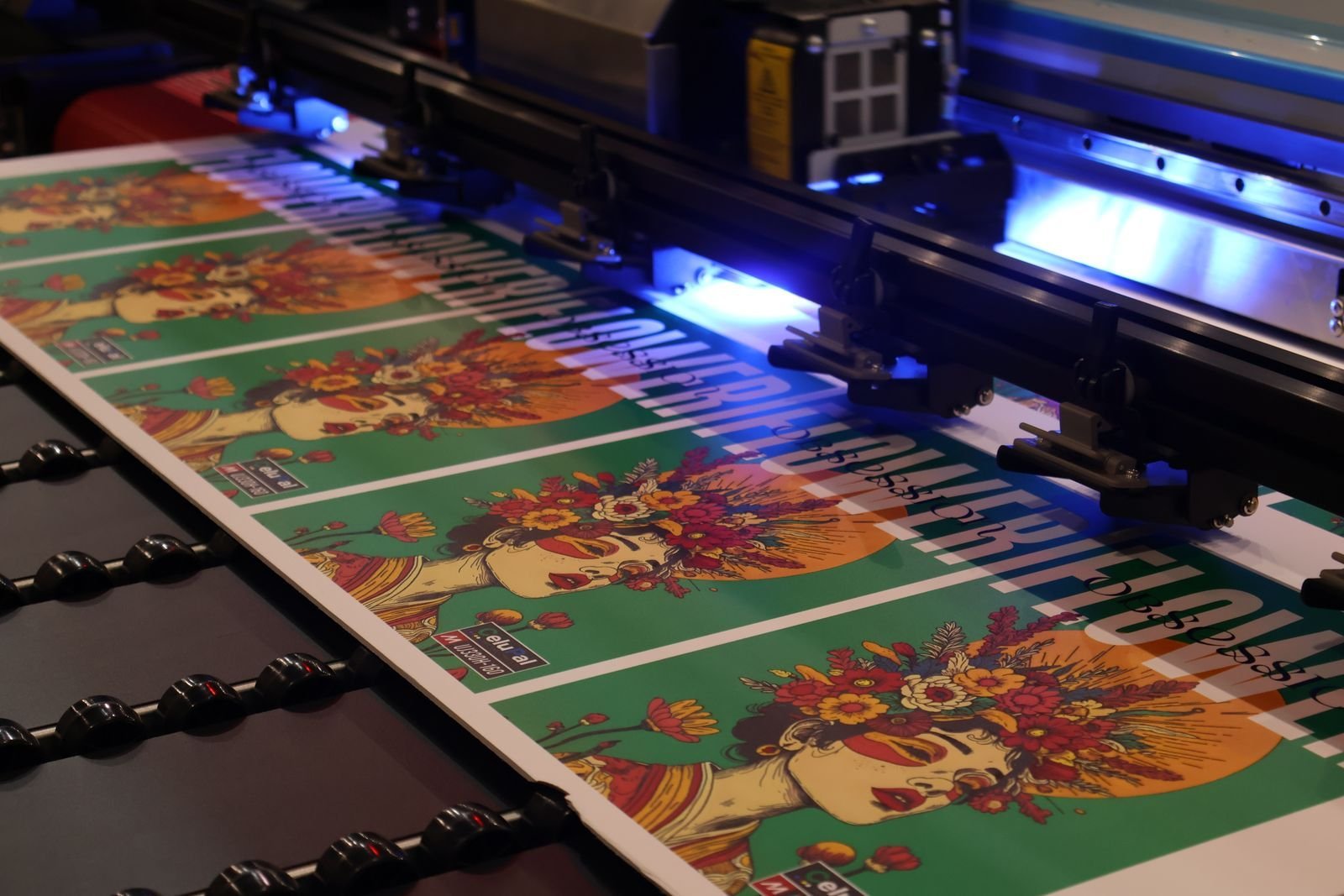
Production follows a clear sequence. First, large sheets of board are printed, typically on an offset press for long runs or a digital press for short runs. Next, coatings or laminations are applied, followed by decorative steps such as foil stamping or embossing. The printed sheets then go to a die-cutter, where a custom steel-rule die cuts the outline and presses score lines in the right places, along with any window openings or perforations. Waste is stripped away, leaving individual flat blanks. Finally, the blanks run through a folder-gluer that folds and glues the side seam, and for auto-lock styles, the bottom. Each stage has quality checks for registration, color, cut accuracy and glue strength before the cartons are packed flat and shipped.
Common Paperboard Carton Styles
The reverse tuck end has its top and bottom tucks on opposite panels and is one of the most efficient layouts on a printed sheet. The straight tuck end has both tucks on the same panel, giving an unbroken front face for premium graphics. Tuck top auto bottom cartons, also called crash-lock bottoms, pop open with a pre-glued base that supports heavier contents. The 1-2-3 bottom or snap-lock bottom folds into place without glue and is a sturdy, economical alternative. Seal end cartons are glued closed at both ends and are common on high-speed food lines. Beyond these, paperboard is used for sleeves, trays with lids, pillow boxes, gable carriers, hang tab cartons, counter displays and wallet-style folders.
Printing on Paperboard
Coated paperboard is one of the best surfaces in packaging for printing. Offset lithography reproduces photography, gradients and fine text with high consistency and allows Pantone spot colors to be matched for brand-critical elements. Digital printing removes plate setup, making it practical for short runs, test markets, seasonal variations and personalized cartons. Many cartons combine four-color process with one or two spot colors for logos. Printing on the inside of a carton is also possible, for instructions, patterns or a hidden message revealed when the box is opened. On unbleached or recycled grades with a coated top, the print face is white and performs well, while the reverse side shows the natural or gray base unless printed.
Coatings and Laminations
Surface treatments protect the print and change how the carton looks and feels. Aqueous coating is a water-based layer that guards against scuffing and is friendly to paper recycling. UV coating is cured with ultraviolet light and gives a hard, high-gloss surface. Varnishes can be applied in gloss, satin or matte, either overall or selectively. Film laminations in gloss, matte or soft-touch add durability and a premium hand feel, though they add plastic to the carton, so we discuss recyclability before recommending them. Coatings also affect gluing, so glue flaps are often left uncoated to make sure seams bond securely.
Decorative Embellishments
Paperboard takes embellishments exceptionally well thanks to its smooth, dense surface. Hot foil stamping applies metallic or pigment foil to logos and borders. Cold foil can be printed over to create metallic colors across larger areas. Embossing raises artwork above the surface, while debossing presses it in. Spot UV creates glossy highlights against a matte background, and textured or tactile varnishes add grip or a raised pattern. Combining a matte or soft-touch base with foil and spot UV is a common way to give an affordable paperboard carton a luxury appearance on a crowded shelf.
Windows, Hang Tabs and Inserts
Paperboard is easy to adapt with functional features. Die-cut windows show the product and can be left open or covered with a clear patch to keep out dust. Hang tabs, either built into the carton design or added as a separate header, allow products to be displayed on pegs. Paperboard inserts with die-cut cradles keep bottles, droppers, tubes and kits positioned neatly. Partitions separate multiple items within a single carton. Tear strips and perforations help customers open the carton or allow a display panel to be removed. These features are drawn into the dieline from the start so the carton still folds, glues and closes correctly.
Regulatory and Information Panels
Many paperboard cartons carry required information alongside branding. Supplement and over-the-counter products need room for facts panels, directions and warnings. Food cartons need ingredient lists, nutrition information and allergen statements. Cosmetics need ingredient declarations and net contents. Some pharmaceutical cartons include Braille embossing for accessibility, and many products need a barcode placed on a flat panel with good contrast for reliable scanning. We cannot provide legal advice on labeling rules, but we plan carton layouts so there is enough space for the information your compliance team specifies, with clear hierarchy and readable type sizes.
Industries That Rely on Paperboard Boxes
Beauty and skincare brands use SBS cartons with foil and soft-touch finishes for serums, creams and fragrance. Pharmaceutical and nutraceutical companies depend on precise cartons with information panels and tamper-evident features. Food and confectionery producers use CRB, CUK and food-grade SBS for cereals, snacks, chocolates, tea and frozen goods. Consumer electronics accessories such as chargers, cables and earbuds are packed in paperboard with inserts and hang tabs. Toy and game makers use printed cartons with windows. Household and cleaning brands choose economical recycled board. Candle, home fragrance and gift brands combine paperboard cartons with inserts and decorative finishes.
Designing for Paperboard Cartons
Work on the dieline we provide so artwork lines up with each panel, flap and glue area. Extend backgrounds at least an eighth of an inch beyond the cut line for bleed and keep text and logos within safe margins away from scores. Remember that the glue flap is hidden once the carton is assembled, and that tuck flaps are seen only when the box is opened. Plan the principal display panel for maximum impact, with the brand, product name and key benefit visible from a distance. Convert spot colors correctly, outline fonts and supply images at adequate resolution. If you only have a logo and product details, our designers can build the full carton layout for you at no charge.
Sustainability of Paperboard Packaging
Paperboard is made from renewable fiber and is widely accepted in recycling programs across the United States. Recycled grades such as CRB give a second life to collected paper, while virgin grades can be sourced from responsibly managed forests. To keep cartons as sustainable as possible, choose aqueous coatings over plastic films where performance allows, replace plastic trays with paperboard inserts, keep windows small or film-free, and size cartons closely to the product. Lighter cartons also reduce freight weight. Printing a short recycling instruction on a side panel helps customers dispose of the package correctly.
Paperboard Box Pricing Factors
The cost of custom paperboard boxes depends on board grade, with SBS typically priced above recycled board; caliper, since thicker board uses more fiber; and carton size, which determines how many blanks fit on a printed sheet. Style affects die-cutting and gluing complexity, with auto-lock bottoms needing additional gluing steps. Print coverage and colors, including spot colors and inside printing, influence press time. Coatings and embellishments add separate production passes. Inserts and windows add material and assembly. Quantity has the strongest effect on unit price because setup is spread over more cartons. PackagingAazz does not charge for dies or plates, which keeps the first order and new designs affordable.
Common Paperboard Mistakes to Avoid
Typical problems include choosing a caliper too thin for the contents, so panels bulge or tucks pop open; placing important text across score lines where it cracks or wraps; ignoring grain direction; applying coating to glue flaps so seams fail; positioning barcodes near folds or on dark backgrounds; and forgetting the hidden areas created by tucks and dust flaps. Another frequent issue is designing a carton without checking it against the actual product, which leads to loose fits. Our structural and prepress checks, together with the free 3D mockup, are designed to catch these issues before production.
Storage and Packing Line Tips
Paperboard cartons are supplied flat in bundles or cases. Store them in a clean, dry and temperature-stable area, because board absorbs moisture and can curl or warp in high humidity, which causes problems on automatic cartoners. Keep cases off the floor, out of direct sunlight and away from exterior doors. Allow cartons to acclimate to the packing room for a day before running them on machinery. If you use automated packing, share your equipment details with us so tolerances, glue patterns and opening force can be matched to your line.
Paperboard Compared With Corrugated and Rigid Boxes
Paperboard cartons excel as primary retail packaging: they are light, print beautifully, store flat and cost less per unit. Corrugated boxes add a fluted core for shipping strength and are the better choice for outer shippers, e-commerce mailers and heavy products. Rigid boxes use thick chipboard wrapped in printed paper for luxury presentation but are heavier, costlier and often ship assembled. Most supply chains use paperboard for the product, corrugated for transport, and rigid boxes for special editions and gift sets.
Ordering Custom Paperboard Boxes Across the USA
PackagingAazz is based at 1835 W 82nd St, Los Angeles, CA 90047, and supplies custom paperboard boxes to brands and manufacturers in all 50 states. Call 31202340234 or email info@packagingaazz.com to discuss board grades, request a free quote or get a free 3D mockup. We are open 24 hours a day, 7 days a week.
WHAT WE MAKE
Paperboard Carton Styles We Make
These paperboard cartons are produced in the grade and caliper your product needs, printed edge to edge and finished for the shelf.
SBS Paperboard Boxes
Bright white solid bleached board with a coated face for premium print and crisp, clean cut edges.
CUK Paperboard Boxes
Coated unbleached kraft cartons that combine a white print face with exceptional tear strength.
CRB Recycled Paperboard Boxes
Economical coated recycled board cartons for dry foods, household goods and everyday retail items.
Reverse Tuck End Cartons
Efficient layouts with tucks on opposite panels, ideal for cosmetics, supplements and small goods.
Straight Tuck End Cartons
Tucks on the same side for an uninterrupted front panel and a cleaner premium presentation.
Auto-Lock Bottom Cartons
Pre-glued crash-lock bases that open instantly and support heavier bottles and jars.
Snap-Lock Bottom Cartons
1-2-3 bottoms that fold securely without glue for a sturdy, economical closure.
Seal End Paperboard Cartons
Cartons glued at both ends for high-speed food and household product packing lines.
Paperboard Sleeves
Printed wraps that slide over trays, jars or existing packaging to add branding and information.
Paperboard Tray and Lid Boxes
Two-piece paperboard boxes for stationery, chocolates, accessories and gift sets.
Paperboard Window Cartons
Die-cut windows with optional clear patches that let shoppers see the product inside.
Hang Tab Paperboard Boxes
Peg-ready cartons with built-in or added headers for electronics and pharmacy aisles.
Paperboard Display Cartons
Counter displays with tear-away lids that turn a shipping carton into a point-of-sale stand.
Pharmaceutical Paperboard Cartons
Precise cartons with information panels, Braille embossing and tamper-evident options.
Cosmetic Paperboard Boxes
SBS cartons with soft-touch, foil and spot UV finishes for skincare, makeup and fragrance.
Food-Grade Paperboard Boxes
Cartons made with food-safe board, inks and coatings for snacks, tea and confectionery.
Paperboard Gable Carriers
Carry-friendly cartons with handles for multipacks, bakery goods and promotional kits.
Paperboard Boxes with Inserts
Die-cut paperboard cradles and partitions that hold bottles, tubes and multi-item kits in place.
Folding Box Board Cartons
Lightweight FBB cartons with high stiffness, suited to food, confectionery and personal care.
PACKAGING EXPERTS. CAREFUL WORK.
Paperboard Cartons With Precision in Every Fold
Technical expertise in board selection. We compare SBS, CUK, CRB and FBB grades, caliper and grain direction against your product and packing method, so cartons look sharp and perform reliably on shelves and packing lines.
Prepress and production you can trust. Our team checks bleed, color, barcodes and glue areas before printing, then inspects cutting, scoring and gluing so every carton folds squarely and closes securely.
Dielines & 3D mockups
No die & plate charges
Short runs welcome
All 50 states
WHAT'S INCLUDED
What's Included With Every Custom Paperboard Boxes Order
Product Measurement
We confirm the exact inside dimensions your product needs before recommending a structure.
Dieline & Structure
Custom dielines, inserts and closures planned so every box folds, locks and fits properly.
Free 3D Mockup
See your artwork on the real box shape and request changes before anything is printed.
Expert Printing
Offset, digital or flexo printing matched to your quantity, material and brand colors.
Quality Checks
Every run is checked for color, cutting, gluing and finishing before it is packed.
Flat-Pack Delivery
Boxes ship flat to save space and freight, to any address in the USA.
MATERIALS & FINISHES
Materials & Finishes for Custom Paperboard Boxes
SBS Paperboard
Bright white, smooth board from 14 to 24 point that gives the sharpest print and most vibrant color for retail cartons.
Kraft Paperboard
Natural brown, strong and recyclable board for eco-friendly, organic and artisan brands, printable with white ink.
Corrugated Board
E-flute and B-flute board with excellent crush and stacking strength for mailers, shippers and heavier products.
Rigid Chipboard
Thick 1 to 3 mm board wrapped in printed or textured paper for luxury, gift and presentation boxes.
Gloss & Matte Lamination
Protective films that make colors vivid with gloss or modern and low-glare with matte, while resisting scuffs.
Soft-Touch Finish
A velvety lamination that feels premium in the hand and resists fingerprints on dark designs.
Foil Stamping & Spot UV
Metallic gold, silver or holographic foil and glossy spot UV highlights for logos and key details.
Embossing & Debossing
Raised or pressed logos and patterns that add a tactile, crafted feel to any box style.
HOW IT WORKS
Order Custom Paperboard Boxes in 4 Simple Steps
1. Share Your Details
Send box style, size, quantity and artwork ideas by form or call 31202340234.
2. Free Design & Mockup
Our designers prepare the dieline and a 3D proof for your approval.
3. Clear Quotation
You get a written quote with material, print, finish and timeline.
4. Print & Deliver
We print, finish, inspect and ship your boxes anywhere in the USA.
FREQUENTLY ASKED QUESTIONS
Custom Paperboard Boxes FAQs
What is the difference between SBS, CUK and CRB paperboard?
SBS is bleached virgin board with the whitest print face, CUK is strong unbleached kraft with a white coating, and CRB is economical recycled board with a coated top.
Is paperboard the same as cardboard?
In everyday speech the terms overlap. In packaging, paperboard refers to single-ply board used for folding cartons, while corrugated board has a fluted core.
What caliper of paperboard should I choose?
Light items often use 12 to 16 pt, mid-weight items 18 pt and heavier or premium cartons 20 to 24 pt. We recommend caliper for your product.
Can paperboard boxes run on automatic packing machines?
Yes. Share your equipment details and we will match carton tolerances, grain direction and glue patterns to your cartoning line.
Can you match my brand's Pantone colors?
Yes. Offset printing allows Pantone spot colors to be matched for logos and brand-critical elements on coated paperboard.
Can paperboard boxes include Braille?
Yes. Braille embossing can be added to pharmaceutical and other cartons where accessibility information is required.
Are paperboard boxes recyclable?
Yes. Paperboard is widely recycled in the USA, and aqueous coatings and paper inserts help keep cartons easy to recycle.
Can I get a window on a paperboard carton?
Yes. Windows can be die-cut open or covered with a clear patch, and placed on any panel that suits your design.
What is the minimum order for custom paperboard boxes?
Minimums are low, and digital printing makes short runs, test batches and multiple design versions affordable.
Do you ship paperboard boxes across the USA?
Yes. Finished cartons are shipped flat to manufacturers, warehouses and retailers in all 50 states.
GET STARTED
Free Quote for Custom Paperboard Boxes
Tell us your box style, size, quantity and finish. We reply with a clear written quote and a free design mockup. No obligations, no cost.
Contact PackagingAazz
Talk to a packaging specialist about sizes, materials, printing and pricing.
- Call: 31202340234
- info@packagingaazz.com
- 1835 W 82nd St, Los Angeles, CA 90047
- Free design & written quote
- Shipping to all 50 states
EXPLORE MORE
Related Packaging Services
Custom Cardboard Boxes
Light, printable paperboard cartons
Custom Corrugated Boxes
Strong fluted shipping boxes
Custom Kraft Boxes
Natural, recyclable kraft packaging
Custom Product Boxes
Retail-ready product cartons