PACKAGINGAAZZ USA · EMBOSSED PACKAGING
Embossed Packaging
in the USA
PackagingAazz creates embossed packaging with raised logos, patterns and lettering that add touch and depth to your boxes, shipped from Los Angeles to all 50 US states.
- ★★★★★ Trusted by brands & businesses across the USA
Logos customers can feel
Combine for extra impact
Preview the raised design
SERVICE DETAILS
Embossed Packaging – PackagingAazz
Embossing presses a design up from the surface of the board so it stands out in relief. A raised logo, monogram or pattern catches light, creates shadow and invites customers to run their fingers across the box, which signals quality before the product is even seen.
We emboss folding cartons, rigid boxes, sleeves and mailers for cosmetics, fragrance, jewellery, candles, spirits and gift products. Embossing can be blind (no ink) or registered with print or foil. Our team prepares the artwork, shows the effect in a free 3D mockup and recommends board and depth for a crisp result.
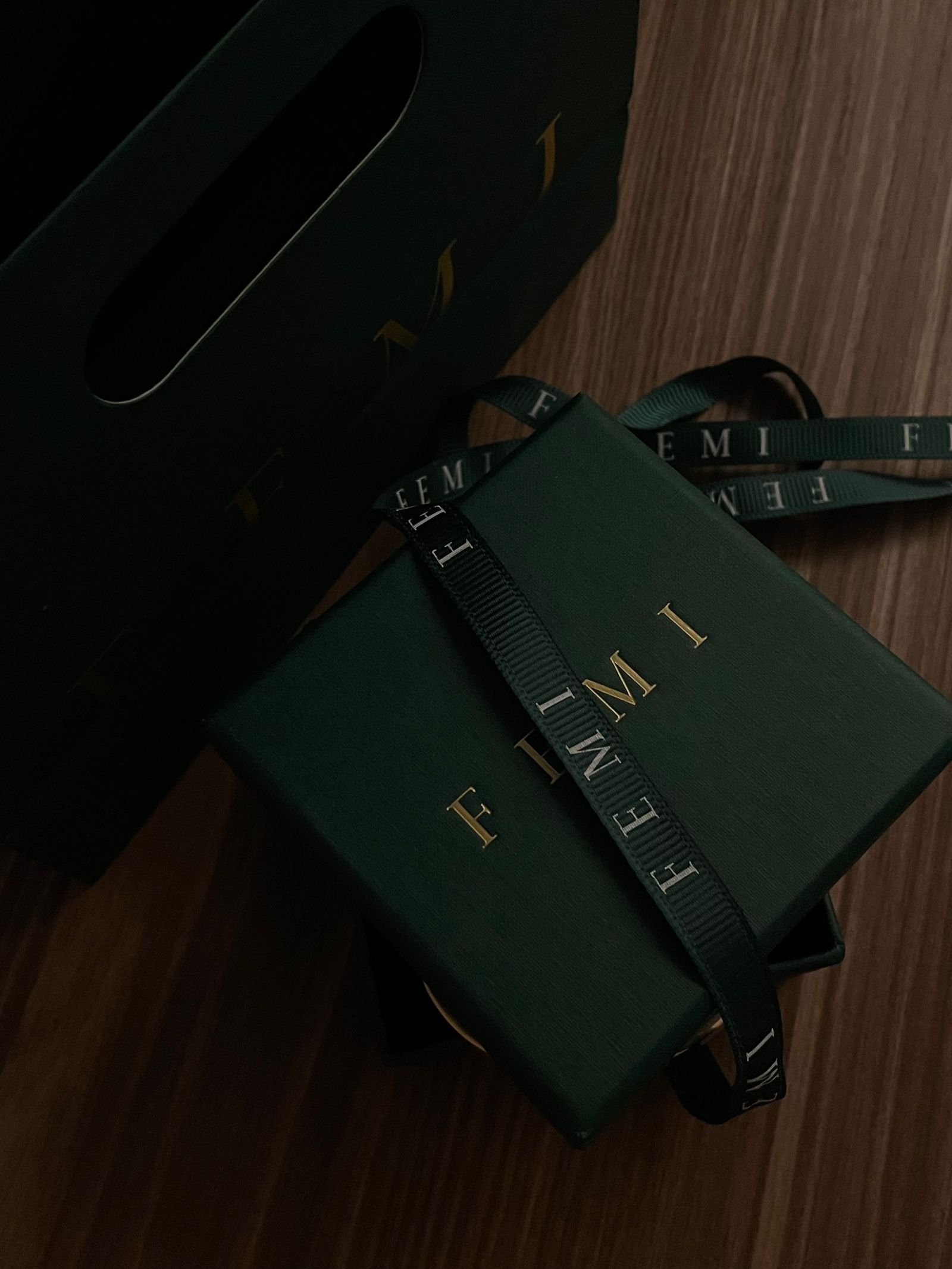
READ MORE — COMPLETE GUIDE TO EMBOSSED PACKAGING
The Complete Guide to Embossed Packaging
Embossing is one of the oldest and most effective ways to make packaging feel special. By raising part of a design above the surface, it adds a physical dimension that flat printing cannot match. This guide explains how embossing works, the different embossing styles, which materials and designs give the best results, how embossing compares to other finishes, and how to plan an embossed packaging project.
How Embossing Works
Embossing uses two matched tools called dies: a female die with the design recessed into it, and a male counter die that fits into it. The board is placed between them and pressed, usually with heat, so the fibres are stretched and reshaped into the raised design. The result is a permanent relief that keeps its shape.
Key Variables
- Depth: how far the design rises. Deeper embossing is more dramatic but stresses the board more.
- Bevel or edge angle: sharper edges look crisp; softer bevels look smooth and rounded.
- Pressure and heat: adjusted to the material for a clean result without cracking.
- Die material: metal dies vary in hardness and detail capability, with finer brass dies often used for detailed or sculpted work.
Types of Embossing
Blind Embossing
Blind embossing raises the design without ink or foil. The effect relies on light and shadow, creating a subtle, sophisticated look. It works beautifully on solid colours and textured papers, and is popular for minimalist luxury brands.
Registered Embossing
Registered embossing lines up the raised area exactly with a printed element, such as a logo printed in colour and embossed in the same position. Precise alignment is essential, which is why artwork and die must be prepared together.
Foil Embossing
Foil embossing combines metallic or coloured foil with a raised effect. It can be done in a single step with a combination die or in two separate passes. The result catches light strongly and is common for fragrance, spirits and gift packaging.
Multi-Level Embossing
Multi-level embossing uses several heights within one design, creating layered depth. It suits detailed emblems, crests and illustrations.
Sculpted Embossing
Sculpted embossing produces rounded, contoured shapes rather than flat raised areas. It is often used for faces, florals and artistic logos and requires skilled die making.
Best Materials for Embossing
| Material | Embossing Suitability | Notes |
|---|---|---|
| Uncoated and textured paper | Excellent | Fibres stretch well; subtle, elegant result |
| Rigid box wrapping paper | Excellent | Embossed before wrapping onto chipboard |
| SBS paperboard | Very good | Clean detail; moderate depth |
| Kraft board | Good | Natural, rustic look; detail slightly softer |
| Laminated board | Good with care | Some laminations can crack at deep embossing |
| Thick corrugated | Limited | Flutes resist clean embossing |
Designing Artwork for Embossing
- Keep detail realistic: very thin lines and tiny text may not emboss clearly. Simplify fine elements or enlarge them.
- Allow space: give embossed elements breathing room from folds, edges and other embossed areas.
- Avoid folds and creases: embossing across a fold weakens both and looks distorted.
- Supply vector artwork: provide the embossed area as a separate layer of solid shapes in a vector file.
- Think about light: embossing shows best where light can create shadow, often on flat lid panels.
- Match with print carefully: for registered embossing, keep print and emboss outlines identical and allow for slight tolerance.
Where Embossing Works Best on a Box
- Lid centre: the classic location for a logo or monogram.
- Front panel: product name or emblem on retail cartons.
- All-over pattern: textures or repeating motifs on rigid box wrap.
- Sleeves: an embossed sleeve adds premium touch to a simple box.
Embossing Compared With Other Finishes
| Finish | Effect | Touch | Best For |
|---|---|---|---|
| Embossing | Raised design | Strong | Logos, crests, patterns |
| Debossing | Recessed design | Strong | Understated, durable branding |
| Spot UV | Glossy highlight | Slight | Contrast on matte surfaces |
| Raised UV | Thick glossy coating | Moderate | Texture without dies |
| Foil stamping | Metallic shine | Minimal | Premium accents |
| Soft-touch lamination | Velvety surface | Overall | Luxury feel across box |
Embossing is often paired with one of these. A soft-touch box with a blind embossed logo, or a matte carton with a foil embossed name, are classic combinations.
Embossed Packaging by Industry
Cosmetics and Skincare
Beauty brands use embossing to convey care and craftsmanship. A blind embossed logo on a white or pastel carton feels clean and premium, while a foil embossed accent suits prestige lines.
Fragrance
Perfume boxes frequently combine rigid structures, rich papers and foil embossing. The tactile detail helps a fragrance feel worth its price on the counter.
Jewellery and Watches
Small jewellery boxes benefit from an embossed monogram on the lid, adding refinement without clutter.
Spirits, Wine and Gourmet Food
Gift boxes for spirits and fine foods use embossed crests, labels and patterns to suggest heritage and quality. If packaging touches food directly, confirm requirements with your food safety advisor.
Candles and Home Goods
Embossed patterns on candle boxes add texture that complements the sensory nature of the product.
Stationery and Corporate Gifts
Embossed company logos on presentation boxes and corporate gifts make a lasting, professional impression.
The Embossed Packaging Process
- Consultation: we discuss your box style, material and the elements you want raised.
- Artwork preparation: our free design service separates the emboss layer and checks detail size.
- Free 3D mockup: you preview where the embossing sits and how it relates to print and foil.
- Proof approval: you approve artwork with the emboss area clearly marked.
- Die making: embossing dies are produced from the approved artwork.
- Printing: boxes are printed and coated or laminated as specified.
- Embossing: sheets are embossed with calibrated heat and pressure.
- Converting: cutting, creasing, gluing or rigid box wrapping.
- Inspection and delivery: boxes are checked and shipped across the USA, with production typically around 8-12 business days.
Cost Factors for Embossed Packaging
- Die size and complexity: larger and more detailed designs need more complex dies.
- Number of embossed areas: each separate area may need its own die or setup.
- Embossing style: sculpted and multi-level embossing require more skilled die work than single-level.
- Combination with foil: adds material and may add a production step.
- Quantity: die and setup costs are spread across the run, so larger quantities lower the per-box cost.
- Box style: rigid boxes require embossing the wrap before assembly.
We offer no die or plate charges on our packaging, and will explain any finish-related setup clearly when quoting.
Mistakes to Avoid With Embossing
- Too much fine detail: hairline strokes and small text lose definition.
- Embossing near folds: causes distortion and weak creases.
- Overly deep embossing on thin board: risks cracking or tearing.
- Ignoring the reverse side: on folding cartons, the recess appears inside; plan inside printing accordingly.
- Misaligned print files: for registered embossing, print and emboss layers must match.
- Embossing everything: one confident embossed element usually looks more refined than several competing ones.
Embossing and Sustainability
Blind embossing adds visual interest without inks or foils, which makes it an appealing option for brands trying to reduce decorative materials. Embossing on uncoated paperboard can deliver a premium feel while keeping the packaging paper-based. As always, recyclability depends on the full combination of materials and local facilities, so check any environmental claim with your advisor before printing it.
Choosing the Right Embossing Depth
Depth is one of the most important decisions in embossed packaging. Too shallow and the effect is barely noticeable; too deep and the board may crack or the design may look distorted. The right depth depends on the material, its thickness, the size of the embossed area and the level of detail.
- Shallow embossing: suits fine detail, small text and thinner boards. The effect is refined and subtle.
- Medium embossing: the most common choice for logos on cartons and rigid box wraps, balancing visibility with safety for the board.
- Deep embossing: creates dramatic relief for bold shapes on thicker, more flexible papers. It requires careful testing.
Our team recommends a depth based on your material and artwork, and the first sheets are checked before the run continues.
Lighting, Colour and Embossing
Embossing is revealed by light and shadow. Darker solid colours and matte surfaces tend to show raised edges clearly because highlights stand out against them. Very busy printed backgrounds can hide blind embossing, so if you want the emboss to be noticed, place it on a calm area of colour. Soft-touch lamination softens reflections and gives embossed details a velvety, premium look, while gloss coatings make edges sparkle under store lighting.
Photographing Embossed Packaging
Embossing can disappear in flat, front-lit photos. For product photography and online listings, use angled side lighting to create shadows that show the raised design. Close-up detail shots help online shoppers appreciate the texture they cannot touch.
Embossing on Different Box Styles
Rigid Boxes
For rigid boxes, the wrapping paper is printed and embossed flat before being wrapped around the chipboard. This allows deep, crisp embossing and hides the reverse side completely, which is why rigid boxes are ideal for showcase embossing.
Folding Cartons
Folding cartons are embossed on the flat sheet before cutting and gluing. The recess shows on the inside, which is usually acceptable but worth planning for if you print the interior.
Sleeves and Wraps
A sleeve offers a flat, prominent surface that suits embossing well, and it can upgrade a simple box at modest cost.
Mailer Boxes
Embossing on mailers is possible with suitable printable board, but thick corrugated limits detail. Discuss your design with us to find the best approach.
Detailed Answers About Embossed Packaging
Is embossing visible on dark boxes?
Yes. On dark matte surfaces, raised edges catch light and create clear highlights. Blind embossing on black soft-touch board is a popular luxury look.
Can embossing include text?
Yes, but keep text at a size and weight that will hold detail. Bold, simple typefaces emboss more cleanly than thin or decorative fonts at small sizes.
How durable is embossing?
Embossing is a permanent reshaping of the board, so it holds its form under normal handling. Very heavy pressure, such as crushing in transit, can flatten it, so protect premium boxes in a shipper when sending by courier.
Can I see the embossing before production?
Our free 3D mockup shows placement and appearance. For important projects, ask us about a physical sample so you can feel the effect before approving a full run.
Is embossing suitable for small orders?
Yes. With our low minimums and no die or plate charges, embossing is accessible to smaller brands as well as larger ones.
Glossary of Embossing Terms
- Emboss: to raise a design above the surface.
- Deboss: to press a design below the surface.
- Blind emboss: embossing without ink or foil.
- Registered emboss: embossing aligned with print.
- Counter die: the matching tool that presses board into the die.
- Bevel: the angled edge of an embossed area.
- Combination die: a die that foils and embosses in one pass.
- Sculpted emboss: rounded, multi-contour relief.
Design Ideas for Embossed Packaging
Embossing can be used in many creative ways beyond a simple raised logo. Here are ideas to discuss with our design team:
- Monogram centrepiece: a single embossed initial or emblem on a plain lid creates a calm, confident luxury look.
- All-over texture: an embossed pattern such as lines, dots, waves or a geometric motif across the box wrap adds richness without extra colour.
- Embossed border: a raised frame around a label area draws the eye to the product name.
- Illustration highlights: embossing selected parts of an illustration, such as petals, leaves or a skyline, adds depth to printed artwork.
- Foil and emboss signature: a raised foil signature or crest suggests craftsmanship and heritage.
- Tactile product cue: a pattern that echoes the product, such as a honeycomb for honey or a wave for marine skincare, connects touch to story.
- Hidden detail: a small blind embossed message inside a lid rewards customers who look closely.
Embossing for Accessibility and Recognition
Tactile features can help customers identify products by touch, which is useful when several products look similar or are used in low light, such as in a shower. A distinct embossed shape or pattern for each variant can support recognition. Note that formal tactile standards, such as those for Braille on certain products, have specific requirements; if you need them, discuss them with us and confirm the rules that apply to your product with your advisor.
Combining Embossing With a Full Finishing Plan
Embossing rarely works alone. Planning all finishes together produces a coherent result. A typical premium sequence might be: print the artwork, apply soft-touch lamination, add foil to the logo, emboss the foil area, then apply spot UV to a pattern. Each step must be planned in the artwork with separate layers and precise alignment. Our designers prepare these layers and show the combined effect in the 3D mockup so you can judge whether the finishes complement each other or compete.
Keeping Finishes Balanced
A useful rule is to choose one hero finish and support it with one secondary finish at most. For example, a large blind embossed logo supported by a small foil detail, or a foil embossed name on a soft-touch background. Too many effects can make a box feel busy rather than premium.
Planning an Embossed Packaging Project
- Decide which brand element deserves to be raised.
- Choose a box style and material that suits embossing.
- Agree on blind, registered or foil embossing.
- Prepare vector artwork with a separate emboss layer.
- Review the 3D mockup and, for critical projects, request a sample.
- Approve the proof and allow production time of roughly 8-12 business days plus shipping.
Order Embossed Packaging From PackagingAazz
Embossed packaging gives customers a reason to pick up your product and feel its quality. PackagingAazz offers free design support, free 3D mockups, low minimums and no die or plate charges, with shipping from Los Angeles to all 50 states. Send us your logo and product details for a free quote.
Why Touch Matters in Packaging
Shoppers use more than their eyes when judging a product. Picking up a box, feeling its weight and running a thumb over its surface all contribute to an impression of quality. Embossing gives that moment something to discover. A raised logo creates a small, memorable physical interaction that flat print cannot provide, and it often encourages people to linger with the product a little longer, whether on a store shelf or during an unboxing at home.
This tactile quality is especially valuable for premium categories, where customers expect the packaging to reflect the care that went into the product. It can also help smaller brands stand out against larger competitors by signalling attention to detail.
Embossing vs Raised Spot UV
Raised spot UV, sometimes called dimensional or 3D UV, builds up a thick layer of clear coating to create texture without dies. It is a good alternative in some situations, but the two finishes feel quite different.
| Aspect | Embossing | Raised Spot UV |
|---|---|---|
| How it is made | Board reshaped with dies | Coating built up on the surface |
| Feel | Soft, sculpted relief | Smooth, glossy ridge |
| Appearance | Shadows and highlights; can be blind | Shiny contrast against matte |
| Reverse side | Shows a recess | Unaffected |
| Tooling | Requires dies | No embossing die |
Some brands choose embossing for a classic, crafted feel and raised UV for a modern, glossy look. Our team can show both options in a mockup.
Checklist Before Approving Embossed Packaging
- Emboss layer supplied as solid vector shapes on a separate layer.
- Fine lines and small text checked for minimum size.
- Embossed areas kept clear of folds, creases and glue flaps.
- Material confirmed as suitable for the chosen depth.
- Registration with print and foil reviewed on the proof.
- Inside printing planned around any recess on folding cartons.
- Sample requested if the effect is critical to your launch.
Embossing Choices for Different Brand Personalities
The same technique can express very different brand characters depending on how it is used. Thinking about personality first helps you choose the right embossing style, material and finish combination.
Classic and Heritage
Brands with a traditional or heritage feel often use crests, monograms and ornate borders in foil embossing on deep colours such as navy, burgundy or forest green. Textured papers that resemble linen or leather reinforce the sense of history and craftsmanship.
Modern Minimalist
Minimalist brands favour blind embossing on white, black or muted single-colour boxes. A simple raised wordmark with plenty of empty space communicates confidence. Soft-touch lamination adds a contemporary, velvety finish that suits this style.
Natural and Artisanal
Handmade and natural brands can emboss kraft or uncoated board for a rustic, honest look. Organic patterns such as leaves, grain or hand-drawn lines feel at home on these materials, and blind embossing avoids the need for extra decorative layers.
Bold and Playful
Energetic brands can use embossing to add texture to bright colours and illustrations, raising parts of characters, shapes or patterns so the artwork almost jumps off the box. Registered embossing works especially well here because the raised areas align with printed colour.
Luxury and Prestige
Prestige products often combine rigid boxes, premium wrapping papers, foil embossing and soft-touch surfaces. Sculpted or multi-level embossing of a logo or emblem gives the depth and detail expected at the top of the market.
Maintaining Embossing Quality on Reorders
Once embossing dies are made for your design, repeat runs can deliver a consistent result. Keep your approved artwork and specifications on file, and tell us if you change the material or coating, because a different board or lamination can change how the embossing looks and feels. If you update the logo or artwork, the embossing tooling may need to be updated too, so review any changes with us before approving a new proof.
Embossing on Kraft and Recycled Boards
Brands that prefer natural or recycled-content materials sometimes worry that embossing will not show well on them. In practice, kraft and many recycled boards can emboss attractively, though the result is usually softer than on bright white board. Shorter, recycled fibres may not stretch as far, so moderate depths and bolder shapes tend to work best. Blind embossing on kraft gives a warm, crafted look that suits candles, soaps, coffee, tea and handmade goods. We recommend testing your artwork on the chosen board, especially for detailed designs.
Getting Started
To begin an embossed packaging project, send us your logo or artwork in vector format, your product dimensions, the box style you have in mind and an approximate quantity. Tell us which element you would like raised and whether you prefer a subtle blind effect or a foil highlight. Our team will suggest the most suitable material, depth and finish combination, prepare a free 3D mockup, and provide a clear quote. From proof approval, production typically takes around 8-12 business days, followed by shipping from Los Angeles to your address anywhere in the United States.
WHAT WE MAKE
Embossed Packaging Options
Embossing can be applied in several styles depending on the look you want.
Blind Embossing
Subtle, no ink
Registered Embossing
Aligned with print
Foil Embossing
Metallic and raised
Multi-Level Embossing
Layered depth
Sculpted Embossing
Rounded contours
PACKAGING EXPERTS. CAREFUL WORK.
Embossed Packaging Done Right
We check embossing depth, sharpness and alignment on early sheets before running the full order, and inspect for cracking or misregistration throughout. Each finished box is reviewed so the raised details look clean and consistent.
Dielines & 3D mockups
No die & plate charges
Short runs welcome
All 50 states
WHAT'S INCLUDED
What's Included With Every Custom Embossed Packaging Order
Product Measurement
We confirm the exact inside dimensions your product needs before recommending a structure.
Dieline & Structure
Custom dielines, inserts and closures planned so every box folds, locks and fits properly.
Free 3D Mockup
See your artwork on the real box shape and request changes before anything is printed.
Expert Printing
Offset, digital or flexo printing matched to your quantity, material and brand colors.
Quality Checks
Every run is checked for color, cutting, gluing and finishing before it is packed.
Flat-Pack Delivery
Boxes ship flat to save space and freight, to any address in the USA.
MATERIALS & FINISHES
Materials & Finishes for Custom Embossed Packaging
SBS Paperboard
Bright white, smooth board from 14 to 24 point that gives the sharpest print and most vibrant color for retail cartons.
Kraft Paperboard
Natural brown, strong and recyclable board for eco-friendly, organic and artisan brands, printable with white ink.
Corrugated Board
E-flute and B-flute board with excellent crush and stacking strength for mailers, shippers and heavier products.
Rigid Chipboard
Thick 1 to 3 mm board wrapped in printed or textured paper for luxury, gift and presentation boxes.
Gloss & Matte Lamination
Protective films that make colors vivid with gloss or modern and low-glare with matte, while resisting scuffs.
Soft-Touch Finish
A velvety lamination that feels premium in the hand and resists fingerprints on dark designs.
Foil Stamping & Spot UV
Metallic gold, silver or holographic foil and glossy spot UV highlights for logos and key details.
Embossing & Debossing
Raised or pressed logos and patterns that add a tactile, crafted feel to any box style.
HOW IT WORKS
Order Custom Embossed Packaging in 4 Simple Steps
1. Share Your Details
Send box style, size, quantity and artwork ideas by form or call 31202340234.
2. Free Design & Mockup
Our designers prepare the dieline and a 3D proof for your approval.
3. Clear Quotation
You get a written quote with material, print, finish and timeline.
4. Print & Deliver
We print, finish, inspect and ship your boxes anywhere in the USA.
FREQUENTLY ASKED QUESTIONS
Custom Embossed Packaging FAQs
What is embossed packaging?
Embossed packaging has a design pressed upward from the surface of the material, creating a raised area you can see and feel. It is often used for logos, names and decorative patterns.
What is the difference between embossing and debossing?
Embossing raises the design above the surface, while debossing presses it down into the surface. Both add texture; embossing stands out, debossing sinks in.
Which materials can be embossed?
Paperboard, uncoated and textured papers, and the wrapping paper on rigid boxes emboss well. Very thick or rigid corrugated is less suitable. We recommend materials when quoting.
Can embossing be combined with foil?
Yes. Foil embossing applies metallic foil and raises it in one or two steps for a striking, premium effect.
Does embossing affect the inside of the box?
Embossing creates a matching recess on the reverse side. On rigid boxes this is hidden by the board structure; on folding cartons it may be visible inside.
GET STARTED
Free Quote for Custom Embossed Packaging
Tell us your box style, size, quantity and finish. We reply with a clear written quote and a free design mockup. No obligations, no cost.
Contact PackagingAazz
Talk to a packaging specialist about sizes, materials, printing and pricing.
- Call: 31202340234
- info@packagingaazz.com
- 1835 W 82nd St, Los Angeles, CA 90047
- Free design & written quote
- Shipping to all 50 states
EXPLORE MORE
Related Packaging Services
Premium Printed Gift Boxes
Printed gifts
Custom Gift Boxes
Gift boxes
Custom Rigid Box Printing
Rigid printing
Custom Inside Box Printing
Inside printing