
How custom packaging helps retail businesses stand out: shelf impact, brand blocking, clear messaging, displays, premium cues and impulse purchases.
From packaging specialists
Dielines and 3D mockups
Shipped to all 50 states
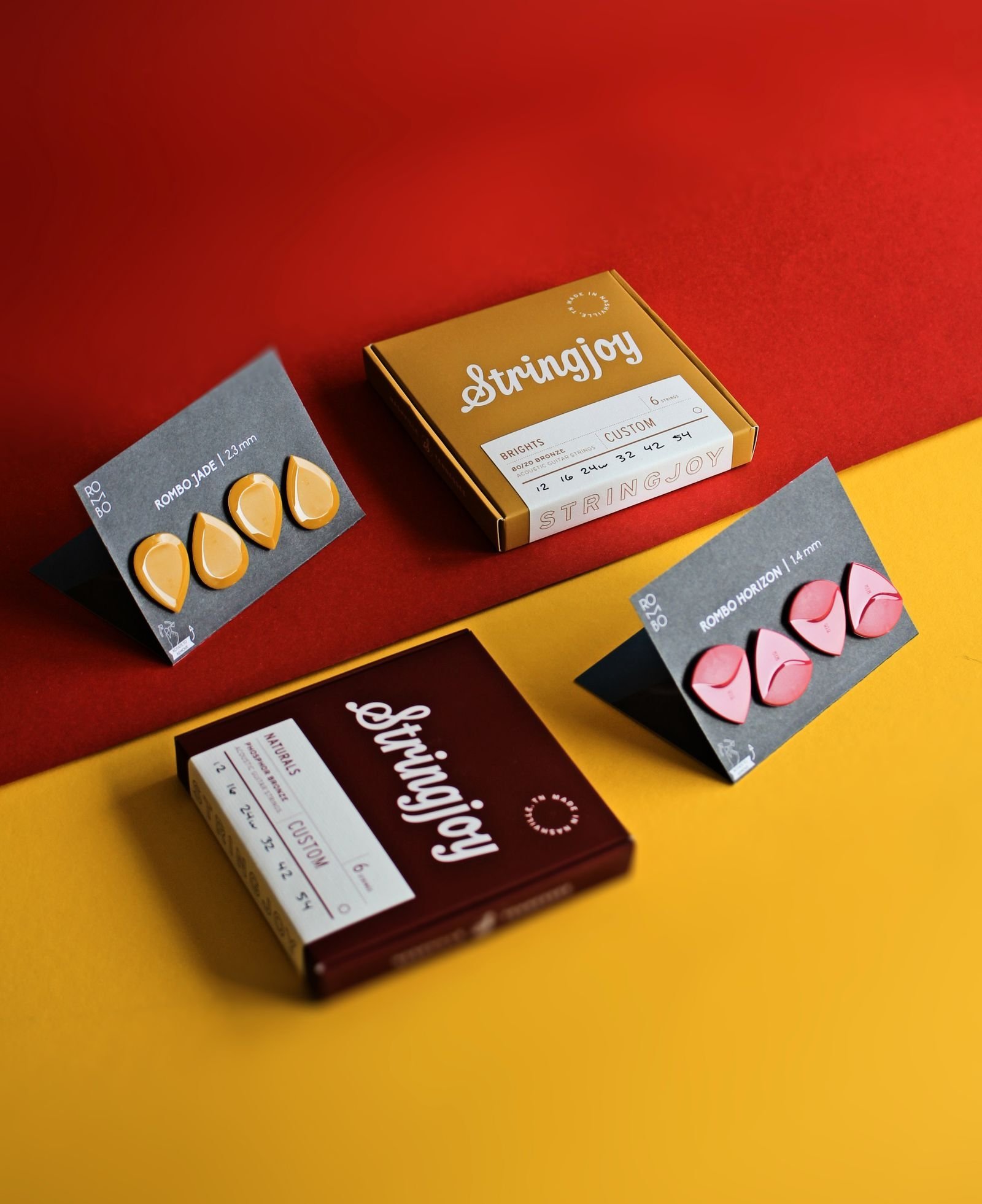
Retail shelves are crowded. Shoppers scan dozens of products in seconds, and most purchase decisions happen at the shelf. Custom packaging is one of the most powerful tools retail businesses have to capture attention, communicate value and win the sale. This guide explains how custom packaging helps retail products stand out and how to design packaging that performs in store.
Shoppers notice packaging that contrasts with its surroundings. Bold colors, distinctive shapes, strong typography and clear imagery help products pop. Study your category shelf and design packaging that looks different from competitors.
When several products from the same brand sit together with consistent colors and design, they form a visual block that attracts attention from a distance. Consistent packaging across a range strengthens this effect.
Shoppers need to understand what a product is and why they should buy it within seconds. Clear product names, key benefits and simple visuals communicate quickly. Avoid cluttered panels with too much text.
Packaging materials and finishes signal quality. Soft-touch coatings, foil accents and sturdy boxes suggest premium products and justify higher prices.
Windows let shoppers see products, building trust and appetite, especially for food, toys, candles and cosmetics.
Counter displays and shelf-ready packaging present products attractively and make restocking easy for retailers. Display boxes also act as mini billboards at checkout counters.
Attractive packaging near checkouts and on endcaps encourages impulse buys. Small, colorful packaging with clear prices performs well in these locations.
Color coding and clear labeling help shoppers choose between flavors, scents or sizes quickly.
Gift-ready packaging increases sales during holidays and special occasions. Premium boxes reduce the need for extra wrapping.
Retailers may have requirements for barcodes, sizes, hang tabs, shelf-ready cases and labeling. Custom packaging can be designed to meet these specifications and simplify buyer approvals.
Eco-friendly packaging appeals to many shoppers. Kraft materials, recycling icons and plastic-free designs communicate sustainability at a glance.
Branded bags continue the experience after purchase and advertise your store as customers walk around.
Place prototypes on shelves alongside competitors and view them from a distance. Ask shoppers which products catch their eye and why.
Independent retailers can use custom packaging and bags to create a distinctive shopping experience that big chains cannot match. Branded tissue, stickers and bags make purchases feel special and encourage repeat visits.
Reading about packaging is the first step; applying it to your own products is where the real value comes from. Start by listing every product that needs packaging, along with its dimensions, weight, fragility and where it will be sold. Products sold on retail shelves need strong shelf appeal and clear information, while products shipped directly to customers need protection and a memorable unboxing moment. Products that do both need packaging that balances the two. Writing this down helps you choose the right retail packaging and avoid paying for features you do not need.
Next, define your budget and target quantity. Knowing roughly how many units you need over the next three to six months helps your packaging partner recommend the most economical printing method and quantity break. If you are launching a new product and are unsure of demand, a short run lets you test the market without committing to large inventory. If you already have steady sales, a larger run usually reduces unit price.
Before design begins, collect your logo in vector format, brand colors with Pantone or CMYK values, fonts, product photography and any required text such as ingredients, warnings, barcodes or certification marks. Having everything ready speeds up the design and proofing stage and reduces the chance of costly changes later.
A dieline is the flat template showing exactly where artwork will print, where the box folds and where it is glued. Placing artwork on an accurate dieline prevents text from being cut off or landing on a fold. A 3D mockup then shows how the finished box will look from every angle, which makes it easier to approve the design with confidence and share it with partners or investors.
For new structures, high-value products or large orders, a physical sample is worth the small extra time. It confirms the fit, the strength of the material and the true color of the print under real lighting. Many brands also use samples for product photography and pre-launch marketing so the packaging appears in promotional images before full production finishes.
Allow time for design, proofing, sampling, production and shipping. Standard projects typically move from approved artwork to delivered boxes in around two weeks, while complex structures, specialty finishes or large volumes can take longer. Building a buffer into your schedule protects product launches, seasonal campaigns and trade show dates from unexpected delays.
Once your new packaging is in use, track the results. Watch for changes in damage and return rates, customer reviews that mention packaging, social media posts showing your boxes, repeat purchase rates and retail sell-through. Even small improvements in these numbers often pay for the packaging investment many times over. Customer feedback is especially valuable: if people mention that the box was hard to open, too large or easy to recycle, use those comments to refine the next order.
Review your packaging at least once a year. Product lines change, shipping costs rise, new materials become available and customer expectations shift. A regular review keeps your retail packaging aligned with your brand, your budget and your sustainability goals, and it ensures you continue to get the most value from every box you order.
PackagingAazz helps businesses across the United States turn the ideas in guides like this one into finished packaging. Our specialists help with retail packaging every day, from choosing the right structure and material to preparing print-ready artwork and arranging fast delivery to all 50 states. Every project includes free design support, free dielines, competitive quantity pricing and responsive customer service from quote to delivery. Whether you need a few hundred boxes for a product launch or tens of thousands for ongoing fulfilment, we make the process simple and transparent.
Ready to put these ideas into action? Share your product details, preferred box style, quantity and design ideas with PackagingAazz. Our packaging specialists will recommend the right materials and finishes, prepare a free dieline and 3D mockup, and send itemized pricing within hours. With low minimums, fast production and delivery to all 50 states, we make retail packaging simple for startups, growing brands and established businesses alike. Request your free quote today and see how custom packaging can protect your products, impress your customers and grow your brand.
The right printing method depends on quantity, material and design. Offset printing delivers the sharpest detail and most consistent color for medium and large runs. Digital printing needs no plates, which makes it ideal for short runs, prototypes and seasonal versions. Flexographic printing is efficient for corrugated boxes and long runs with simpler graphics. CMYK reproduces photographs and full-color artwork, while Pantone spot colors match brand colors exactly. Printing the inside of a box adds a memorable reveal without extra components.
Coatings and finishes protect printing and shape how customers feel about a product. Aqueous coatings and varnish add scuff resistance at low cost. Matte, gloss and soft-touch finishes change the look and feel of the surface. Spot UV highlights logos with a glossy contrast, embossing and debossing add tactile texture, and foil stamping in gold, silver or holographic tones signals premium quality. For eco-focused brands, embossing and uncoated papers create a refined look while keeping packaging easy to recycle.
A well-fitted box protects the product, looks better and costs less to ship. Measure inside dimensions as length × width × depth and allow room for inserts or wrapping. Consider how the package will be used: on a retail shelf, in a shipping network, over a counter or as a gift. Tuck-end cartons assemble quickly, mailer boxes protect products in transit, rigid boxes create a luxury feel and display boxes help products stand out at checkout.
Quantity has the biggest effect on unit price because setup work is spread across more units. Size and material determine how much board is used. Printing coverage, number of colors and finishes add cost, as do inserts, windows and handles. Rush production and shipping distance also play a role. Small changes, such as adjusting a dimension or choosing a simpler finish, can often reduce cost without changing how customers see the brand.
Recycled and FSC-certified boards, kraft materials, water-based inks, aqueous coatings and plastic-free inserts all reduce environmental impact. Right-sizing reduces material and shipping emissions, and printing simple disposal instructions helps customers recycle correctly. Many shoppers now expect brands to make responsible packaging choices, so sustainability can also support sales.
PackagingAazz is a Los Angeles packaging company serving businesses in all 50 states. We provide free structural design, free 3D mockups, no hidden die or plate charges and low minimum order quantities. Our specialists will help you apply the ideas in this guide about how custom packaging helps retail businesses stand out to your own products, recommend practical options at different price points and send a clear written quote before anything is produced.
Strong packaging design starts with a clear hierarchy. Decide what customers must see first, usually the logo or product name, and give it the most space and contrast. Keep supporting information such as features, ingredients, instructions and contact details organized and easy to scan. Use brand colors consistently so packaging is recognizable from any angle.
Retail packaging must attract attention on a shelf, communicate benefits in seconds, fit store displays and carry barcodes. E-commerce packaging must survive sorting centers and delivery vans, fit carrier size limits efficiently and create a memorable unboxing. Many brands use both: a printed retail carton inside a protective mailer for online orders. Understanding where your products are sold is the first step to choosing the right packaging.
Track damage rates, shipping cost per order, repeat purchases, customer reviews that mention packaging and social media posts showing your boxes. Comparing these figures before and after a packaging change shows its real value and helps you decide where to invest next.
A good packaging partner does more than print boxes. They ask about your products, customers and goals, suggest structures and materials based on experience, flag potential problems early and help you balance quality and cost. When comparing suppliers, look for free design support, transparent pricing without hidden setup fees, low minimums for testing, clear production timelines and the willingness to provide samples. Ask how they handle color matching, quality checks and reprints if something goes wrong. Long-term relationships with a reliable supplier make reorders, seasonal variations and new product launches much easier.
The packaging you choose today should be able to grow with your business. If you plan to add products, consider a packaging system with a consistent structure and design that can be adapted by changing colors, labels or sleeves. Standardizing on a small family of box sizes simplifies purchasing and storage. As volumes increase, you can move from digital to offset or flexographic printing to reduce unit costs, and add premium touches for flagship products. Thinking ahead prevents the need for a complete redesign later.
Keep flat-packed boxes in a clean, dry, temperature-stable area, off the floor and away from sunlight and moisture. Store cartons on shelves or pallets, avoid placing heavy items on top and rotate stock so older packaging is used first. Assemble only what you need for each packing session. These simple habits keep every box crisp, square and ready to impress customers.
Before beginning any packaging project, ask a few practical questions. Who is the customer, and where will they first see the product? How will it be shipped, stored and displayed? What information must appear on the package by law or retailer requirement? What budget per unit makes sense for your price point and margins? Which sustainability goals matter to your brand? How quickly do you need the packaging, and how often will you reorder? Clear answers make it far easier for designers and suppliers to recommend the right solution the first time, saving both time and money.
Packaging combines design, engineering, printing and logistics, and few businesses have experts in all of these areas in-house. Working with an experienced packaging company gives you access to structural designers, prepress specialists and production teams who solve these problems every day. They can suggest proven structures, warn you about printing pitfalls and help you choose materials that perform well without overspending. Most importantly, they can produce samples so you can see and feel your packaging before committing to a full production run.
Packaging trends, materials and regulations continue to evolve. Explore more guides on the PackagingAazz blog to learn about box styles, printing methods, finishes, sustainable materials and cost-saving strategies. If you have a specific question about your products, our packaging specialists are always happy to help with practical, honest advice and a free quote.
How Custom Packaging Helps Retail Businesses Stand Out is a question every growing brand eventually faces. The best results come from understanding your product, your customers and your sales channels, then choosing packaging that protects, presents and promotes in equal measure. Start with clear goals, test samples before large orders, review results regularly and work with an experienced partner who understands retail packaging. With these principles, your packaging becomes a lasting asset that supports sales, loyalty and brand growth for years to come.
Review your current packaging against the points in this guide, list the changes that would have the biggest impact and request samples to test them. PackagingAazz can help you evaluate options for retail packaging, compare materials and finishes side by side and plan an order that fits your timeline and budget.
Every product and business is different, so the best packaging decisions come from combining general guidance with specific advice. If you are unsure which option fits your needs, contact the PackagingAazz team. We will review your products, sales channels and budget, explain the trade-offs clearly and recommend practical retail packaging solutions that deliver real results. Our advice is always free, and there is no obligation to order.
Every PackagingAazz order passes through careful quality checks before it ships. Our team inspects board quality, print color, cutting accuracy, folding and gluing so your boxes arrive consistent and ready to use. For retail packaging, we also review dimensions and specifications with you before production, helping avoid surprises and making sure the finished packaging performs exactly as planned.
Through shelf contrast, consistent branding and clear messaging.
Grouping consistent packaging together to create a strong visual block on shelves.
Yes, they let shoppers see products and build trust.
Barcodes, sizes, hang tabs, shelf-ready cases and labeling.
Yes, branded bags and tissue create memorable experiences.
Tell us your box style, size, quantity and finish. We reply with a clear written quote and a free design mockup. No obligations, no cost.
"*" indicates required fields
Talk to a packaging specialist about sizes, materials, printing and pricing.
Learn more
Learn more
Learn more
Learn more
Share your box style, size and quantity. A packaging specialist sends a written quote and a free 3D mockup.
Takes less than a minute.